Buyer guide
Mud Season and Dirt Roads in Vermont, New Hampshire and Maine
How to pick a Jeep or Ram for thaw-season town roads: ground clearance, Active Drive, Command-Trac and Selec-Trac 4x4 systems, tires and post-mud washing.
By the New England CDJR editors · Updated November 6, 2026 · 6 min read
Ask anyone in the hills of Vermont, New Hampshire or Maine about the fifth season and you will get a long look. Mud season arrives in March and April, when frozen ground thaws from the top down. Meltwater has nowhere to go, so a hard dirt road turns into soup that can swallow a tire. Vermont alone maintains thousands of miles of unpaved town roads, and plenty of back roads in the other two states behave the same way.
You do not need a rock crawler for this. You do need to know what actually gets a vehicle stuck, and which specs help.
What mud season does to a road
The surface softens while the layer beneath it stays frozen. Wheels cut ruts, and once a rut is deeper than your skid plate, you are dragging the underbody through it. Shoulders turn soft enough that pulling over to let an oncoming truck pass can put a wheel down to the axle.
Frost heaves are the other half of the story. They are bumps and dips that freeze into paved roads over the winter and stay ugly for weeks. Heaves reward a vehicle with some suspension travel and punish low, stiff tires. Some towns also post weight limits on soft roads during the thaw, so check local notices before taking anything heavy down a back road.
Ground clearance: what the numbers say
Clearance matters most in deep ruts, where the crown between the tracks can lift your underbody onto the very ground you need for traction. Here is what Jeep and Ram list.
| Model | Listed ground clearance | 4x4 system |
|---|---|---|
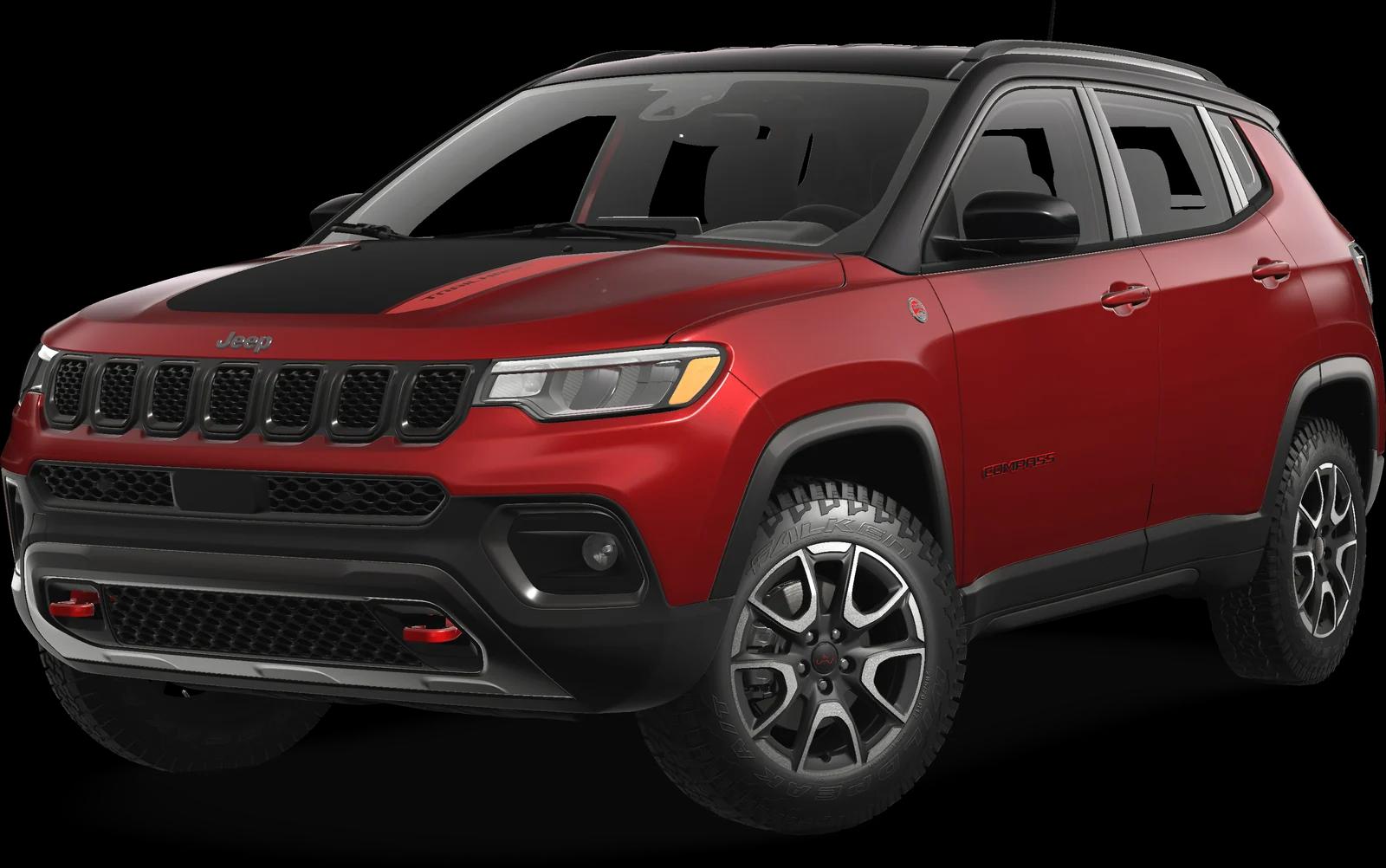
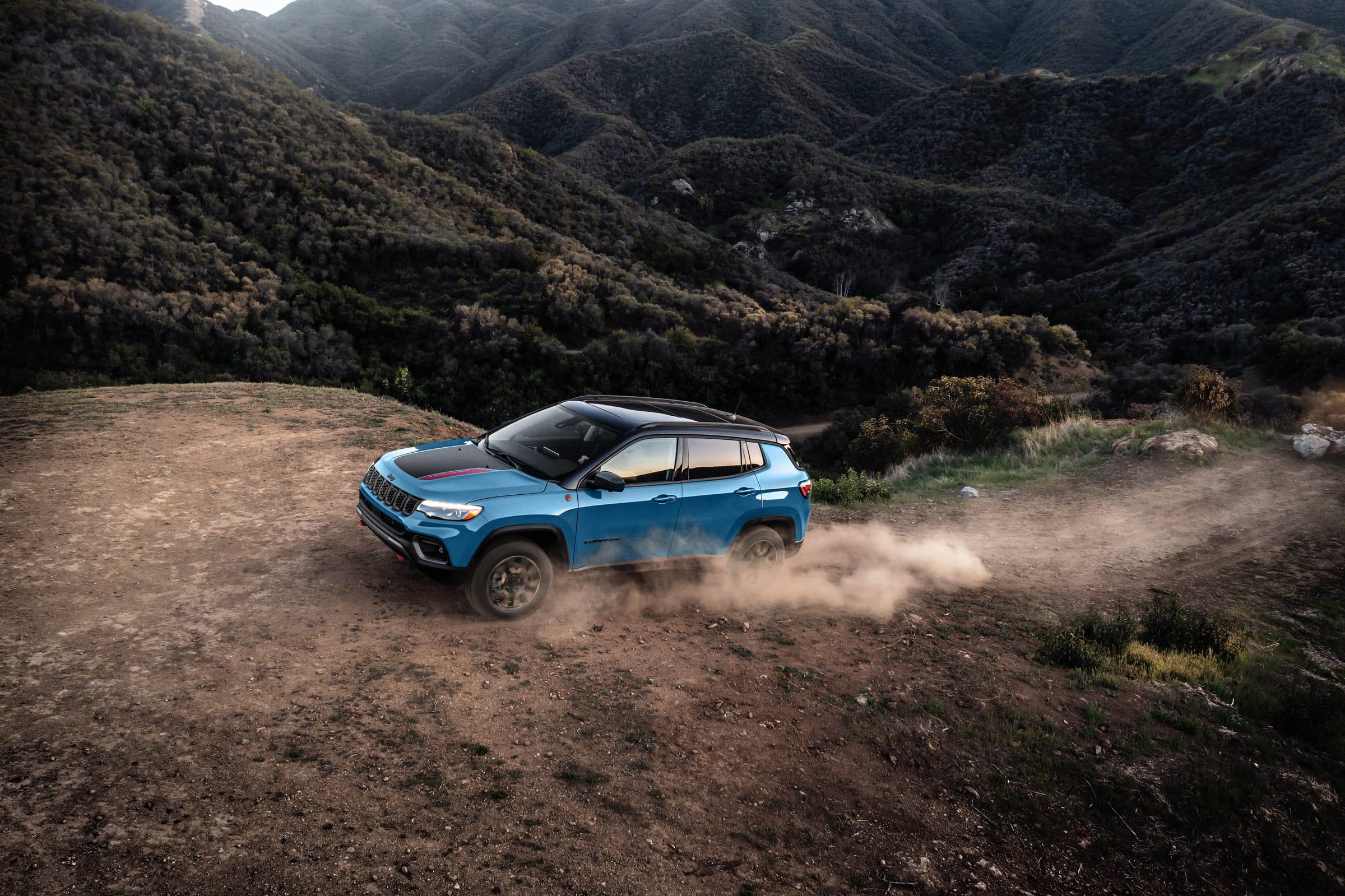
| Jeep Compass | 8.1 in; 8.6 in Trailhawk | Jeep Active Drive; Active Drive Low on Trailhawk |
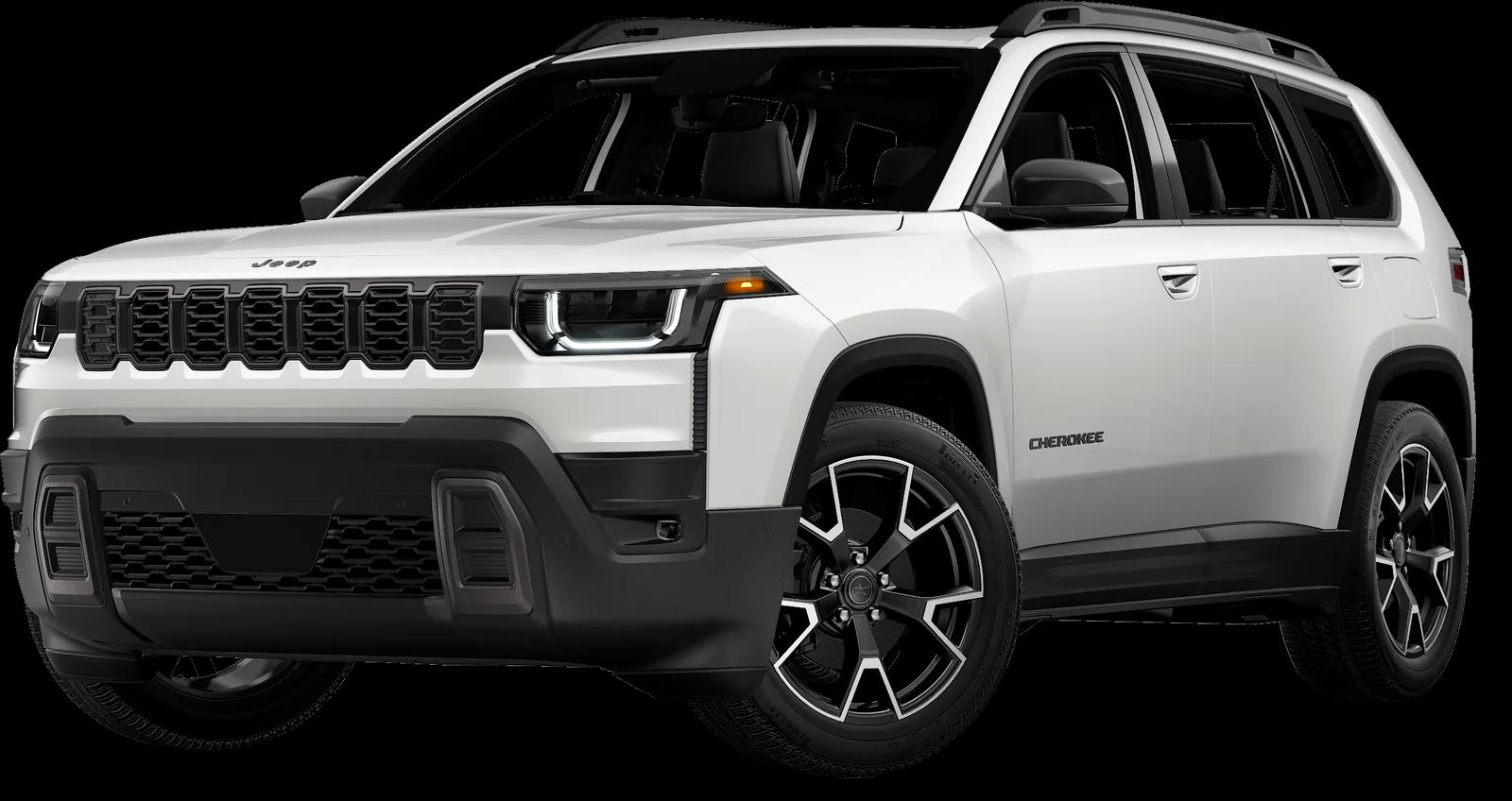
| Jeep Cherokee | 9.0 in (Trailhawk) | Active Drive II; two-speed transfer unit on Trailhawk |
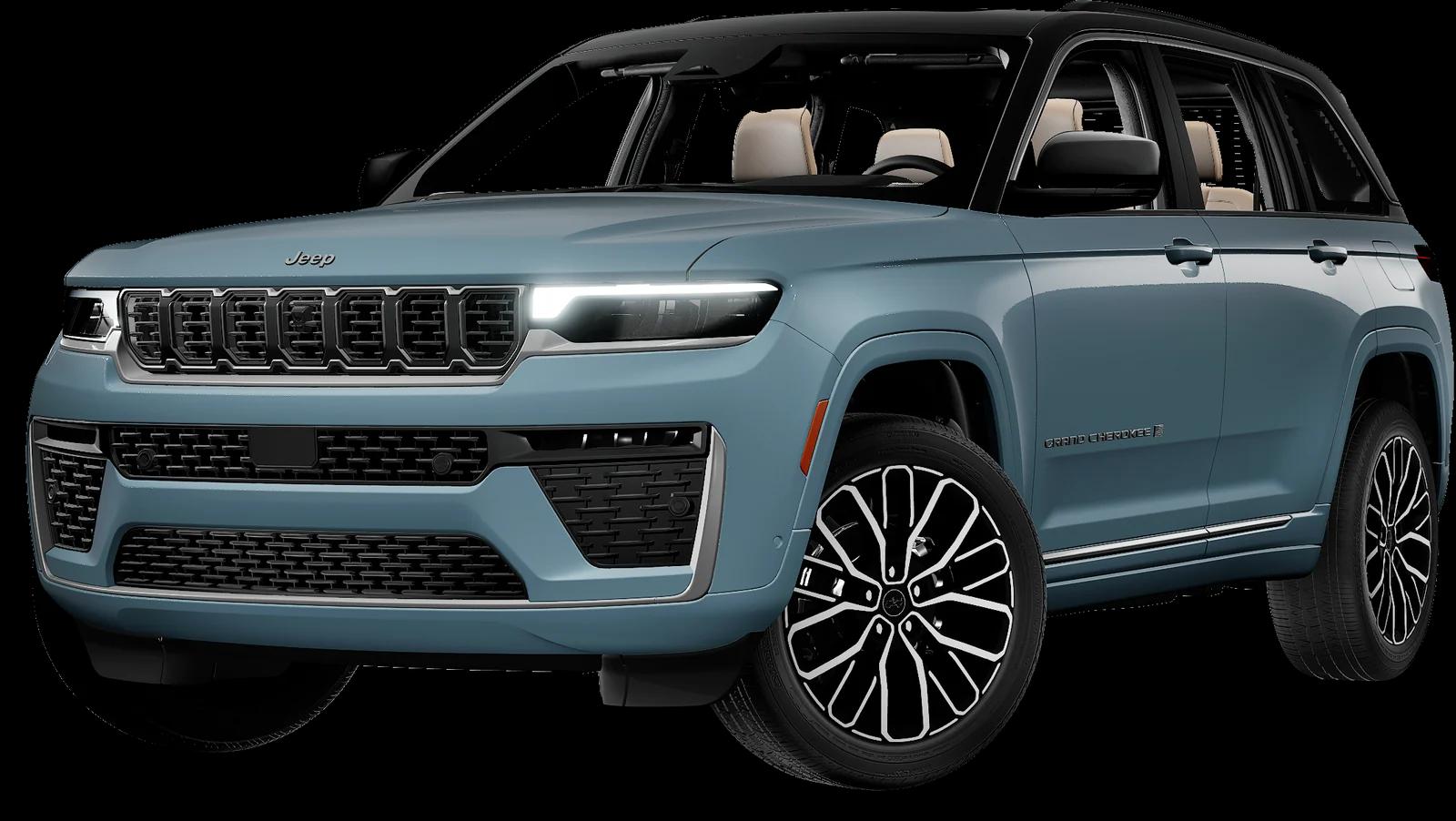
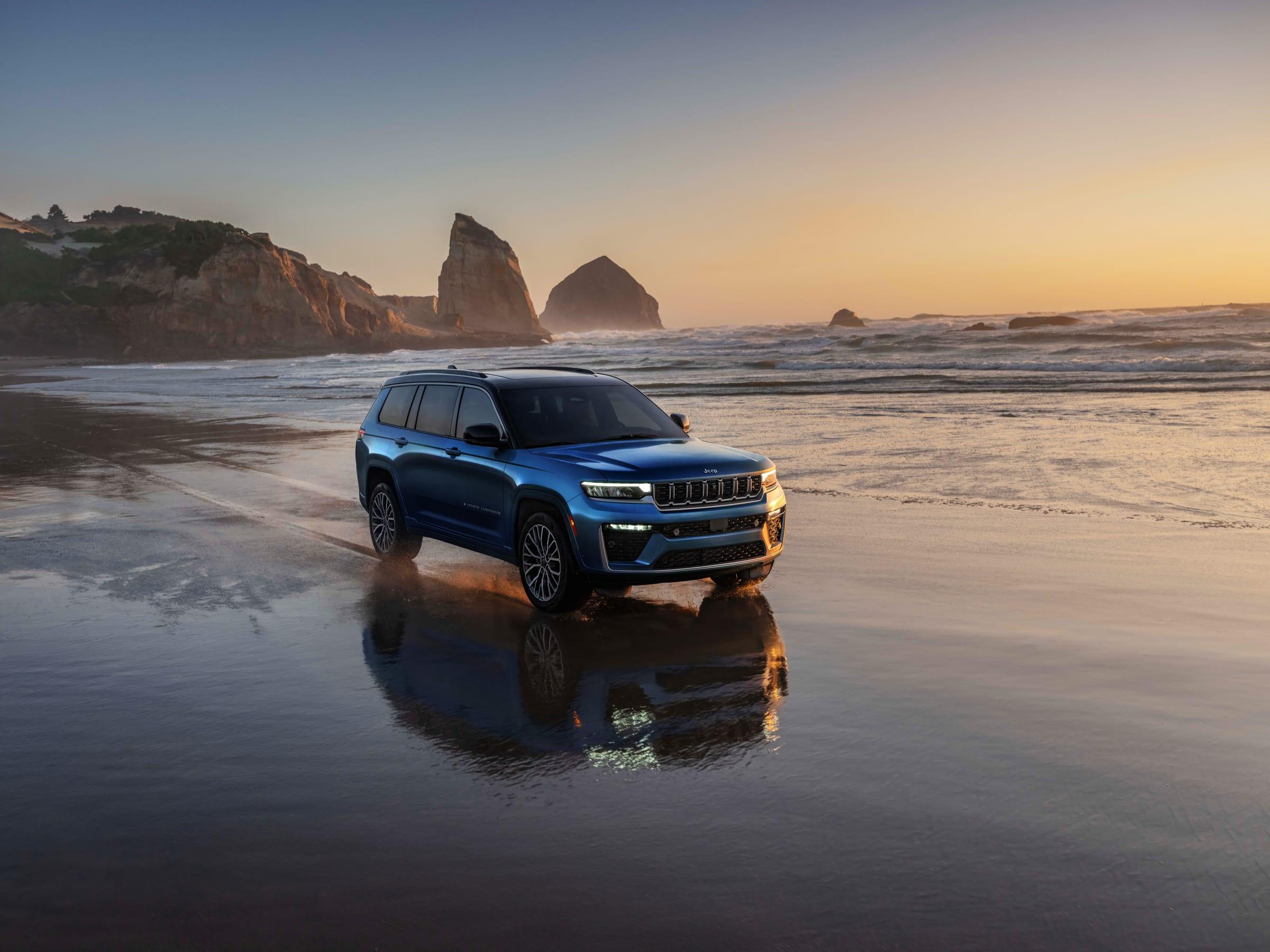
| Jeep Grand Cherokee | 8.4 in standard; up to 11.4 in Trailhawk | Full-time active 4WD, optional or standard by trim |
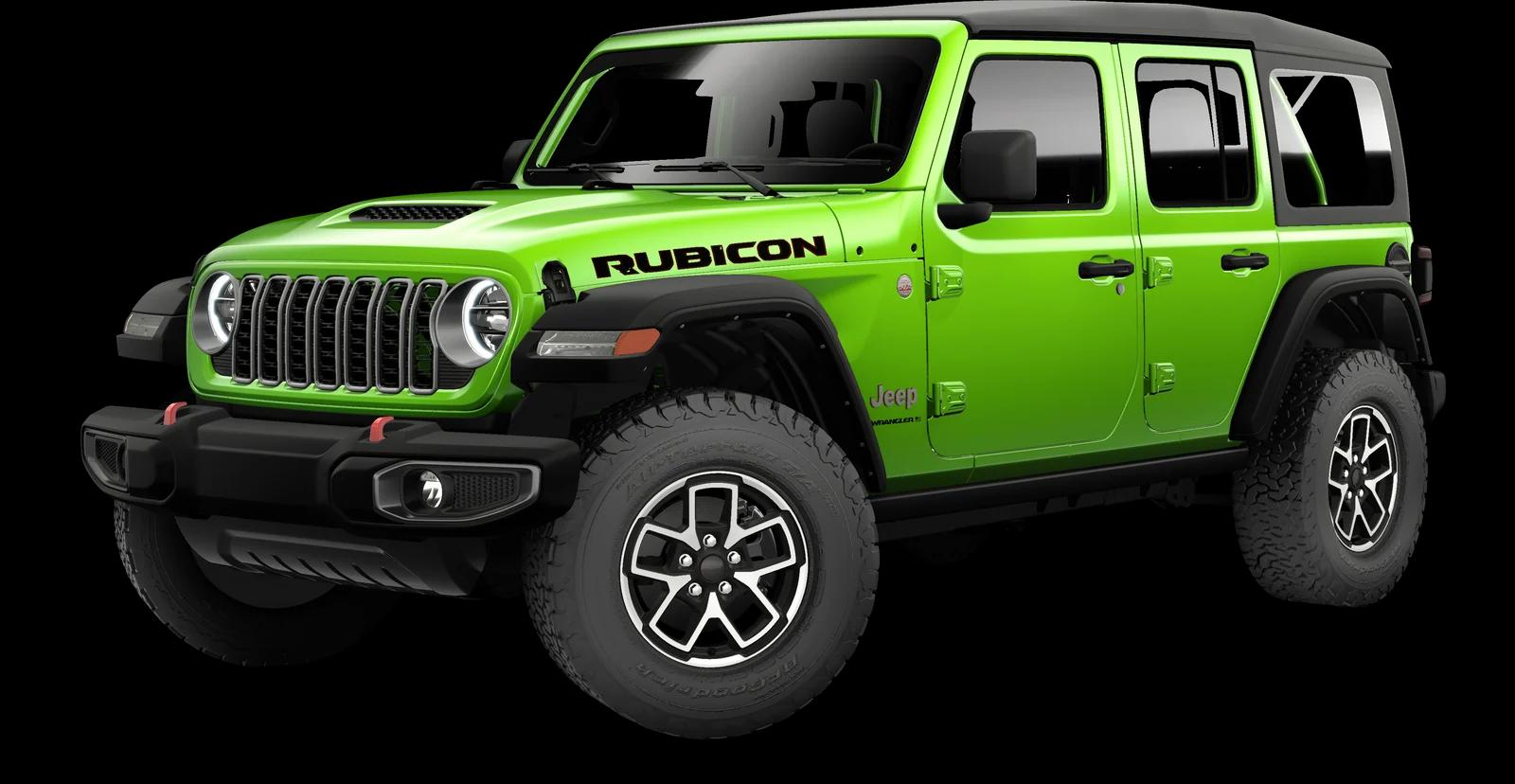
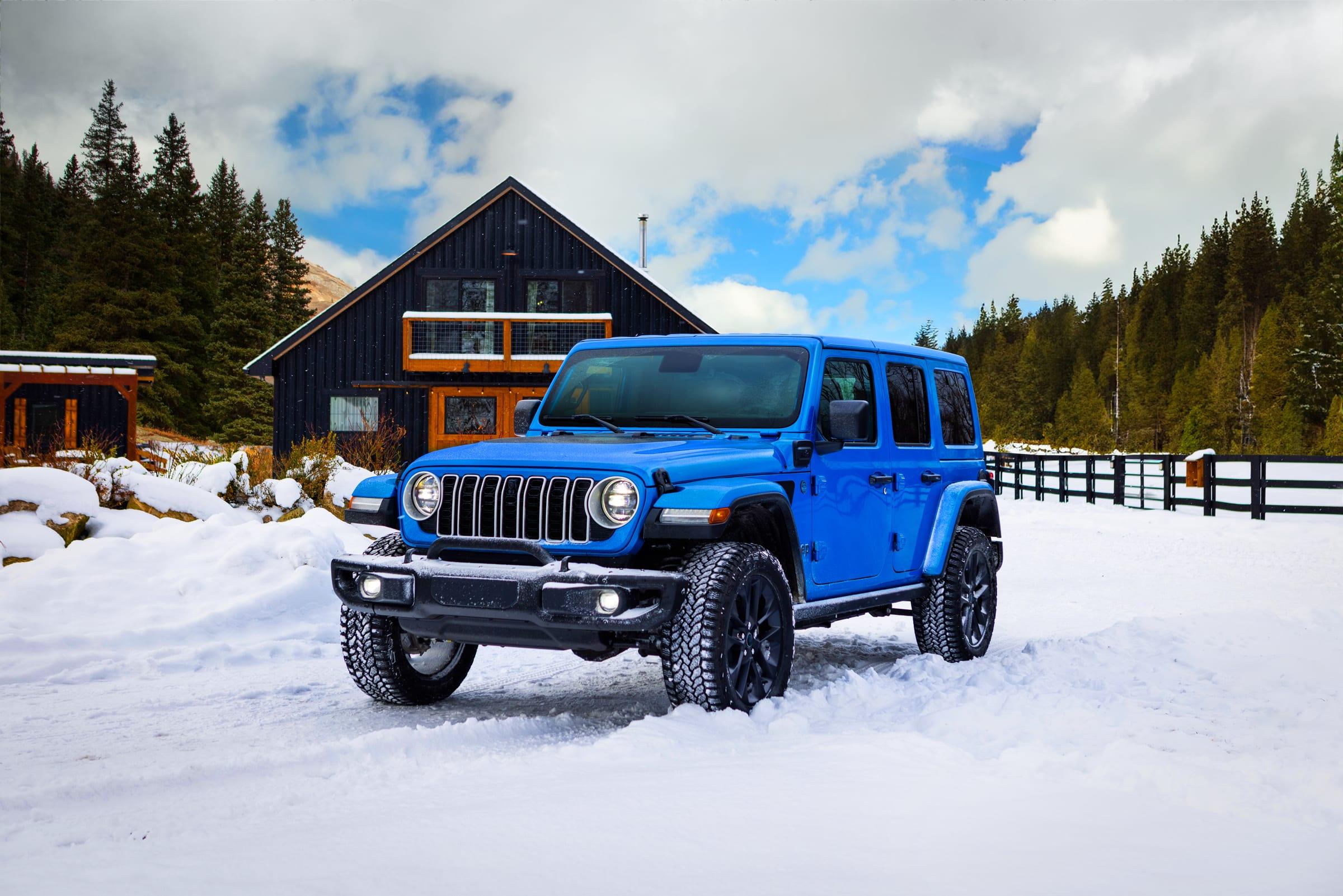
| Jeep Wrangler | 9.7 in (Sport) to 12.9 in (4-door Rubicon, LT315 tires) | Command-Trac, Selec-Trac or Rock-Trac |
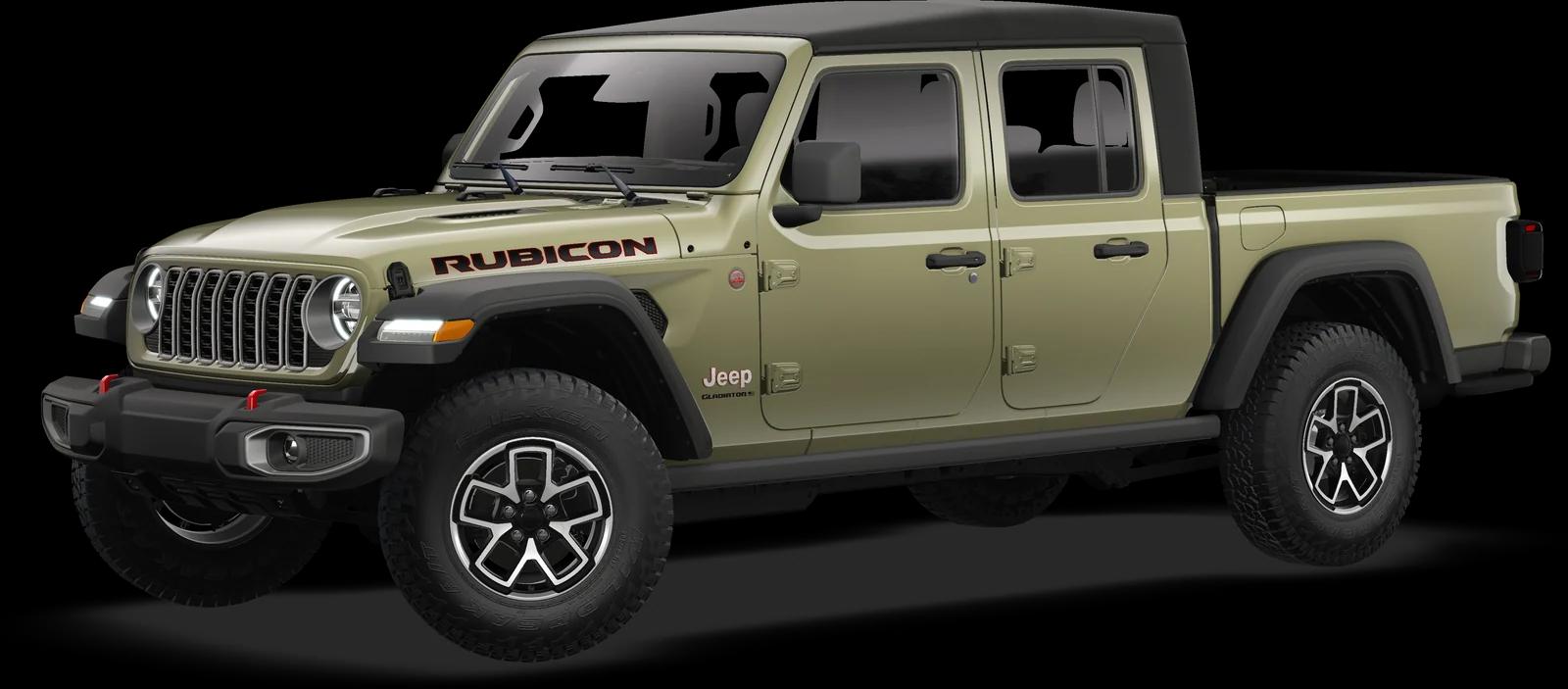
| Jeep Gladiator | 10 in (Sport, Willys) to 12.9 in (35-inch tire package) | Command-Trac, Selec-Trac or Rock-Trac |
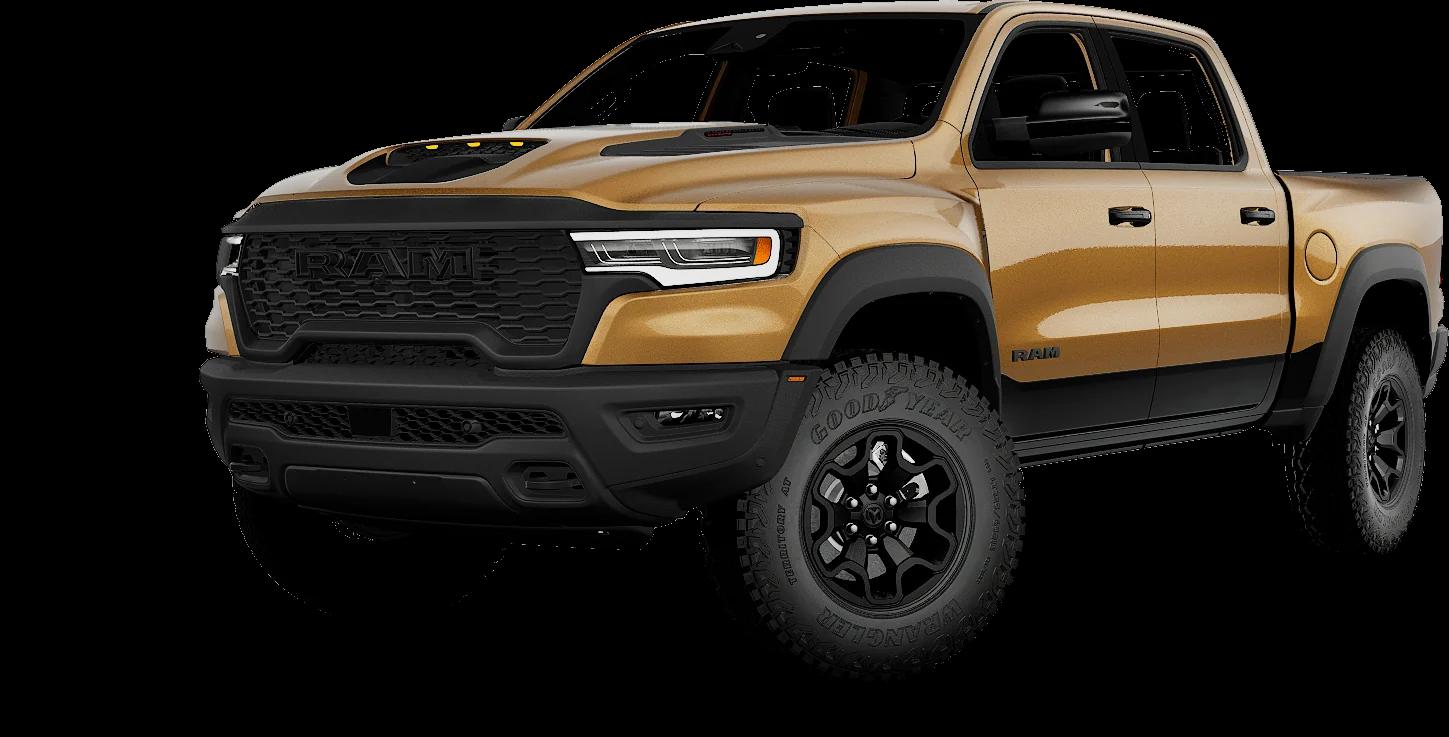
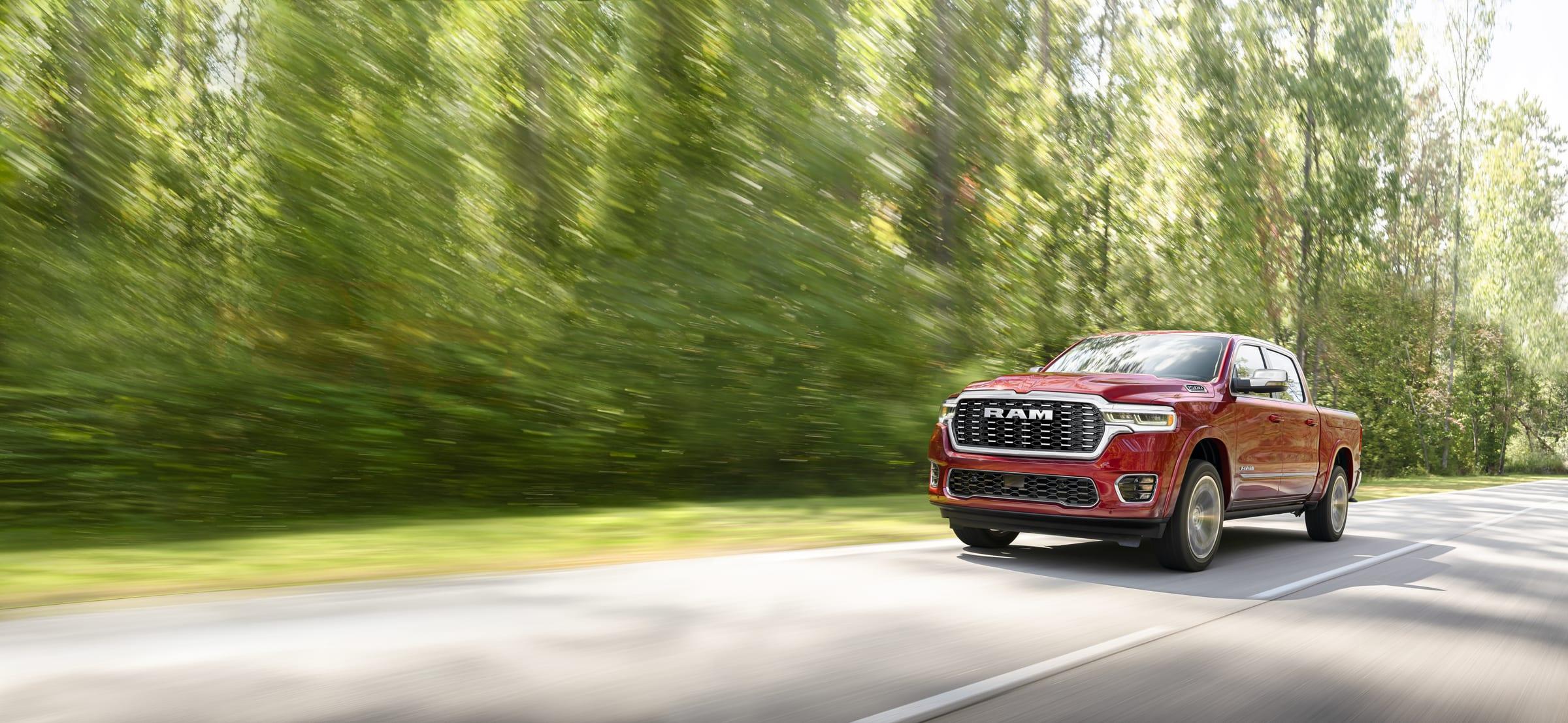
| Ram 1500 | 8.7 in Normal; 6.7 to 10.7 in across air suspension settings | Part-time or on-demand 4WD, by trim |
Two cautions. Jeep publishes the Cherokee figure for the Trailhawk only, so ask about clearance on other trims before assuming it. And the Ram 1500 numbers apply to a Crew Cab with air suspension and 275/55R20 tires. Other setups differ.
For context on depth, Jeep rates the Wrangler for 30 inches of water fording on Sport and Sahara, and up to 34 inches on a Rubicon with LT315 tires. The Cherokee is rated for 24 inches when properly equipped. A flooded dip after a thaw can hide a washout, so treat those figures as ceilings, not goals.
AWD, part-time 4x4 and full-time 4x4
The names matter more than the marketing. Here is how the systems in this group work.
Compass and Cherokee. Every Compass comes with Jeep Active Drive as standard, so there is no front-drive version. The Trailhawk adds Active Drive Low, a two-speed unit with a 20:1 crawl ratio. Every Cherokee uses Active Drive II. The Cherokee Trailhawk adds a 2.92:1 low range and a 37.5:1 crawl ratio. For a road that is mostly packed gravel with a few soft stretches, the standard systems are enough.
Grand Cherokee. Jeep calls its system full-time active 4WD. It is optional on Laredo, Laredo X, Laredo Altitude and Limited, and standard on Limited Reserve, Summit and Trailhawk. If you live on a dirt road, think hard before buying a rear-drive one. The Trailhawk adds a two-speed transfer case with a 2.72:1 low range.
Wrangler and Gladiator. These offer the most choice. Command-Trac is a part-time system: you shift into 4x4 when you need it and back out on dry pavement. Selec-Trac is full-time, with an automatic mode that works on slick pavement and snow. Rock-Trac, on Rubicon, brings a 4.0:1 low range and locking differentials, and Jeep lists both part-time and full-time versions on the Wrangler.
Ram 1500. Tradesman, Express and Warlock use part-time 4WD. Big Horn, Rebel, Laramie, Limited, Longhorn and Tungsten use on-demand 4WD. A part-time system is simple and strong, but it asks you to remember to engage it.
Part-time versus full-time is mostly about convenience. On a road that swings from dry gravel to wet clay and back every quarter mile, a full-time or automatic system saves you from guessing. On a long, uniformly muddy track, low range and locking differentials matter more.
Tires, in general terms
Tires do more than any badge. A tire with an open, aggressive tread clears mud and bites into soft ground. A highway tire fills up and slides. The trade-off is that all-terrain tires are usually noisier and can cost you some fuel economy.
Some of these models arrive set up for it. The Compass Trailhawk comes with 17-inch painted black wheels and all-terrain tires. The Wrangler Willys, Rubicon and Rewind can add the XTREME 35-Inch Tire Package for $2,995. Ram lists an Off-Road Group on several 1500 trims at $1,345 or $1,895, depending on the trim. Prices change, so confirm the current number with a dealer.
Whatever you buy, carry recovery basics. A shovel, a tow strap and traction boards fit in the back of any of these. The Compass lists 59.8 cubic feet with the rear seats folded, and the Cherokee 62.2, so even the smaller ones have room.
Choosing by how you actually live
A few quick matches, based on the specs above. All prices are starting MSRP before destination, as of November 2026.
- A short dirt stretch to a paved road. Compass or a standard Cherokee. Both include 4x4 at $29,990 and $35,130 respectively.
- A long, rutted driveway or town road. A Grand Cherokee with 4x4, or a Wrangler. The Grand Cherokee starts at $39,730, but 4x4 is an option on lower trims, so price the one you want. The Wrangler Sport starts at $36,635 as a two-door.
- Dirt road plus hauling. Gladiator or Ram 1500. The Gladiator starts at $43,895 and the Ram 1500 at $42,575. That Ram price is for a Tradesman Quad Cab 4x2, so price a 4x4 if you live on a dirt road.
- A camp or sugarhouse access track that stays bad all spring. A Wrangler or Gladiator Rubicon, with low range and locking differentials.
Washing off the mud and the salt
Mud is only part of the problem. By April a vehicle has been through months of road salt and brine, then it comes out of the thaw coated in wet clay that holds that salt against bare metal. Hose the underbody soon after a muddy run, including wheel wells, frame rails, brake areas and the backs of the bumpers. A self-serve wash with an undercarriage spray works fine.
Interior protection helps too. Jeep lists a Mopar All-Weather Package at $345 on the Compass, and Dodge lists one at $495 on the Durango. Liners like these keep salty slush and clay off the carpet, which matters when you climb in wearing boots.
Check door sills, tailgate hinges and anywhere mud can pack in. On a Wrangler or Gladiator, rinse around the removable door hinges too. Dried clay in a hinge is no fun in July when you want the doors off.
Before you buy
Test drive on gravel, not only on a pavement loop. Look at the space under the front bumper and ask which skid plates come with the trim you want. Find out which 4x4 system it has and whether it offers a low range. Then plan on washing it every spring. A good mud-season vehicle is mostly one that gets cleaned and checked after the thaw.