Buyer guide
Fall Foliage Drives on the Kancamagus, Route 100 and the Mohawk Trail
Picking a Jeep or Chrysler for leaf-peeping weekends: sunroofs, seats, hybrid and EV efficiency in slow traffic, overlook parking and open-air Wranglers.
By the New England CDJR editors · Updated November 6, 2026 · 6 min read
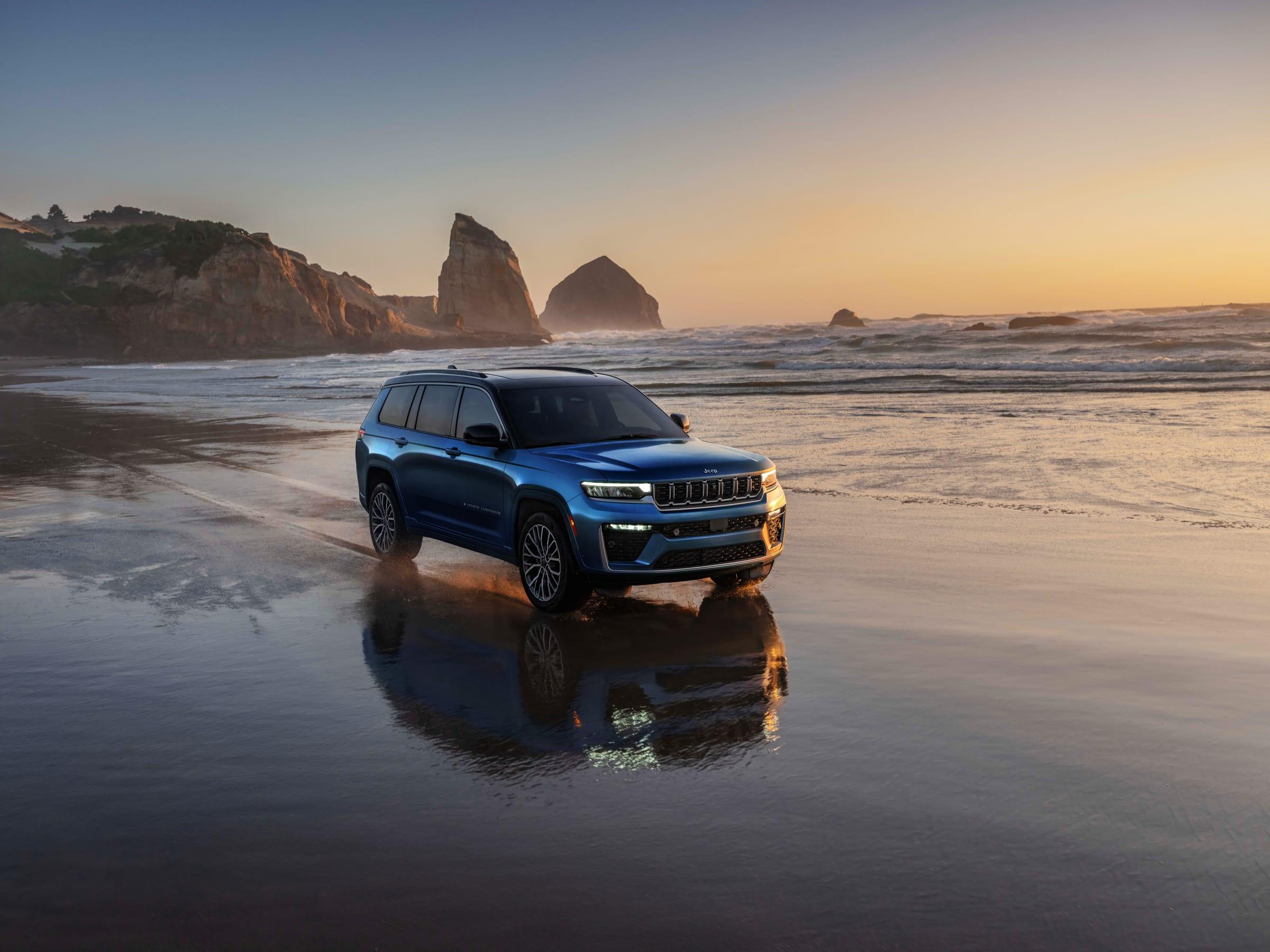
Peak color in New England is a short window, and everyone seems to know when it is. On a good October Saturday the Kancamagus Highway (Route 112) in New Hampshire moves at the pace of the car in front of you. Vermont's Route 100 strings together village greens and sugar maples at a similar speed. The Mohawk Trail across northern Massachusetts (Route 2) adds hairpin turns and a long line of people looking for the next pullout.
That kind of day is hard on a vehicle in unexpected ways. You will idle and creep more than you cruise. You will spend hours looking up and sideways. And you will probably try to park somewhere with room for about six cars and thirty drivers.
Seeing the color: glass, seats and sightlines
If the trip is mostly about the view, glass is the feature to chase. Jeep and Chrysler list several dual-pane panoramic sunroofs across the lineup, and which trim you need decides the price, since Jeep and Chrysler do not list a stand-alone sunroof price for most of them.
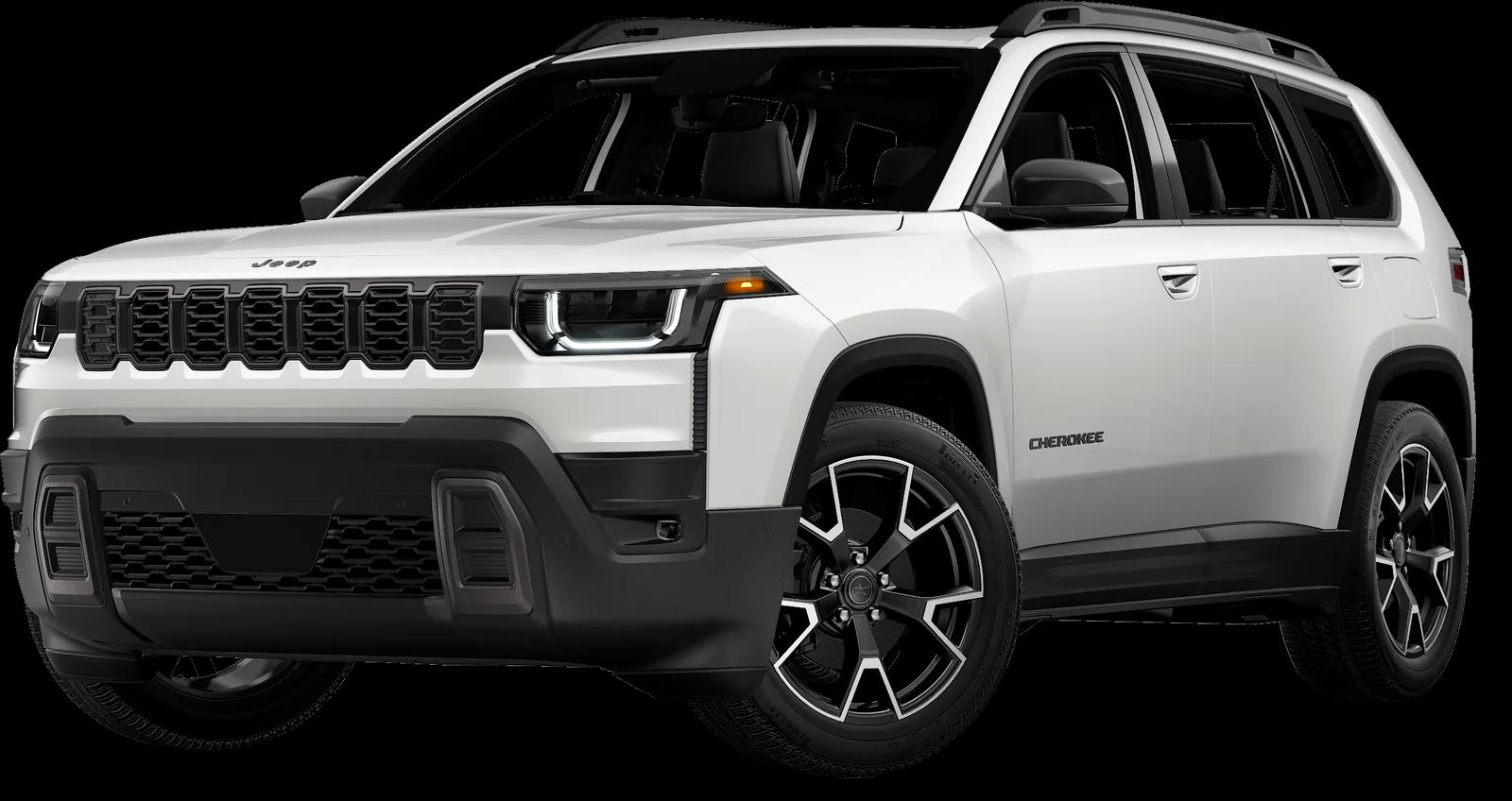
- Jeep Cherokee Overland, from $43,130 before destination, has a dual-pane panoramic sunroof as part of its equipment.
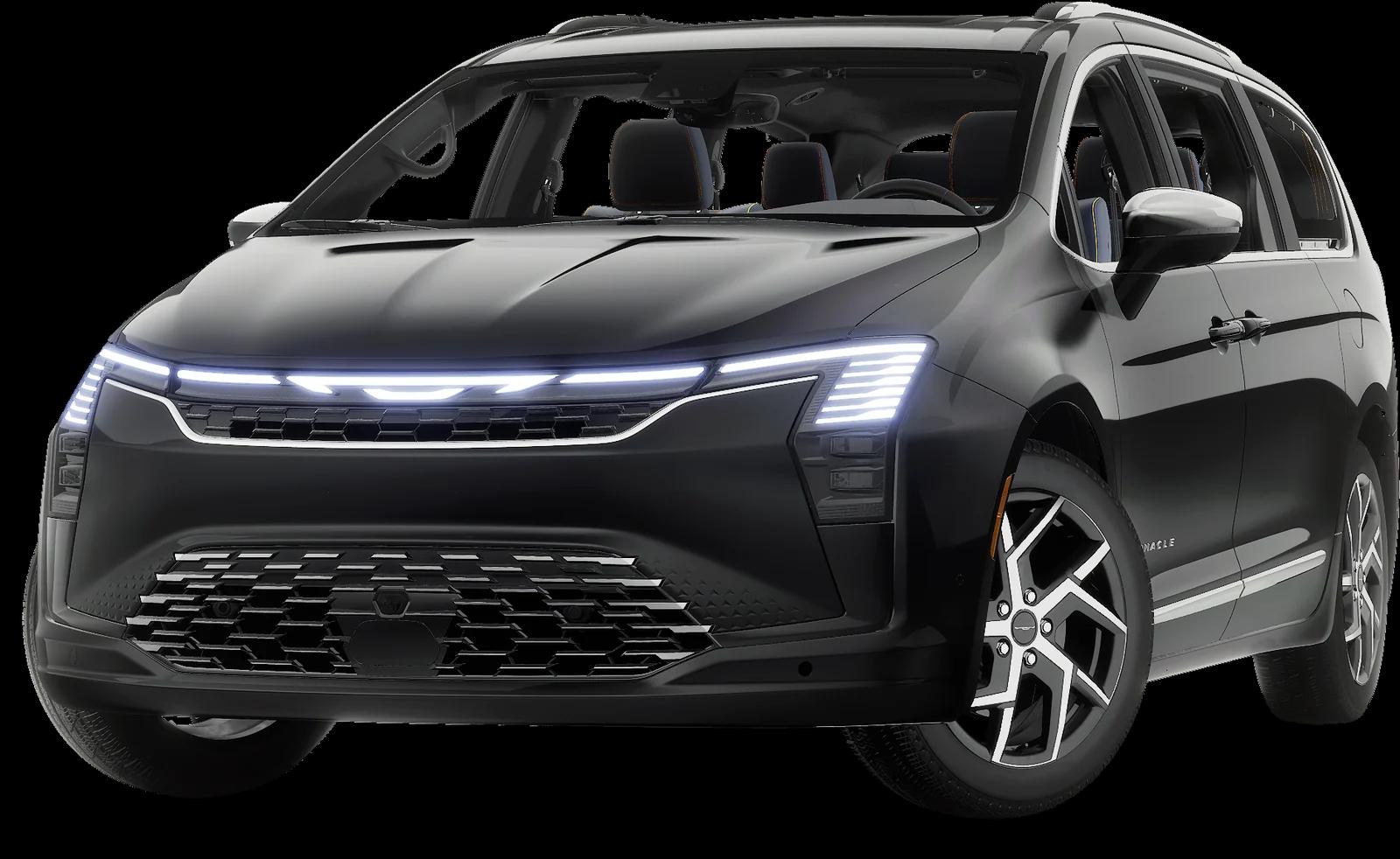
- Chrysler Pacifica Limited ($48,095) and Pinnacle ($54,910) both list one.
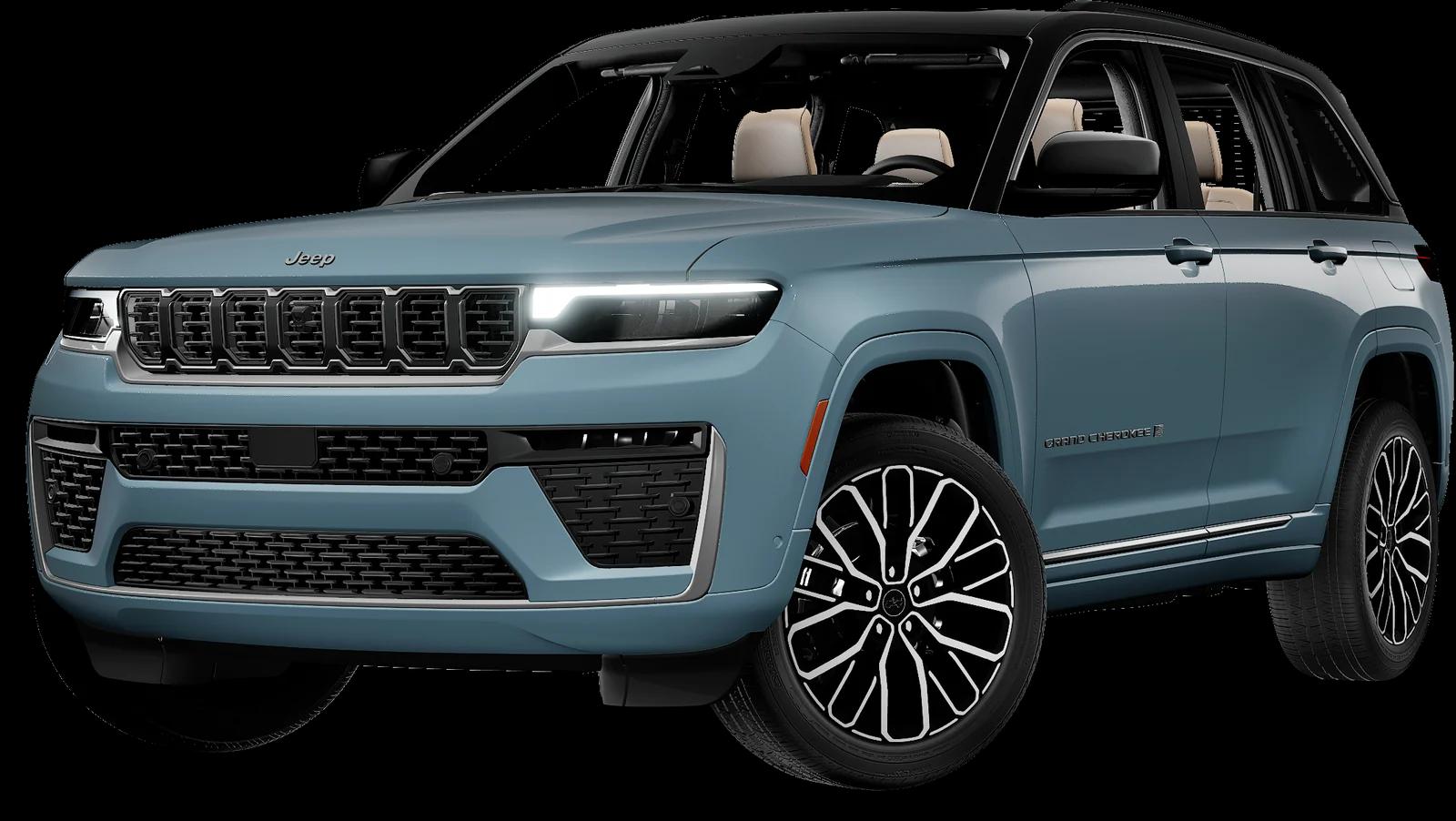
- Jeep Grand Cherokee Limited Reserve ($52,725) adds a dual-pane panoramic sunroof. Laredo X ($42,225) has a single-pane sunroof, which is a smaller opening.
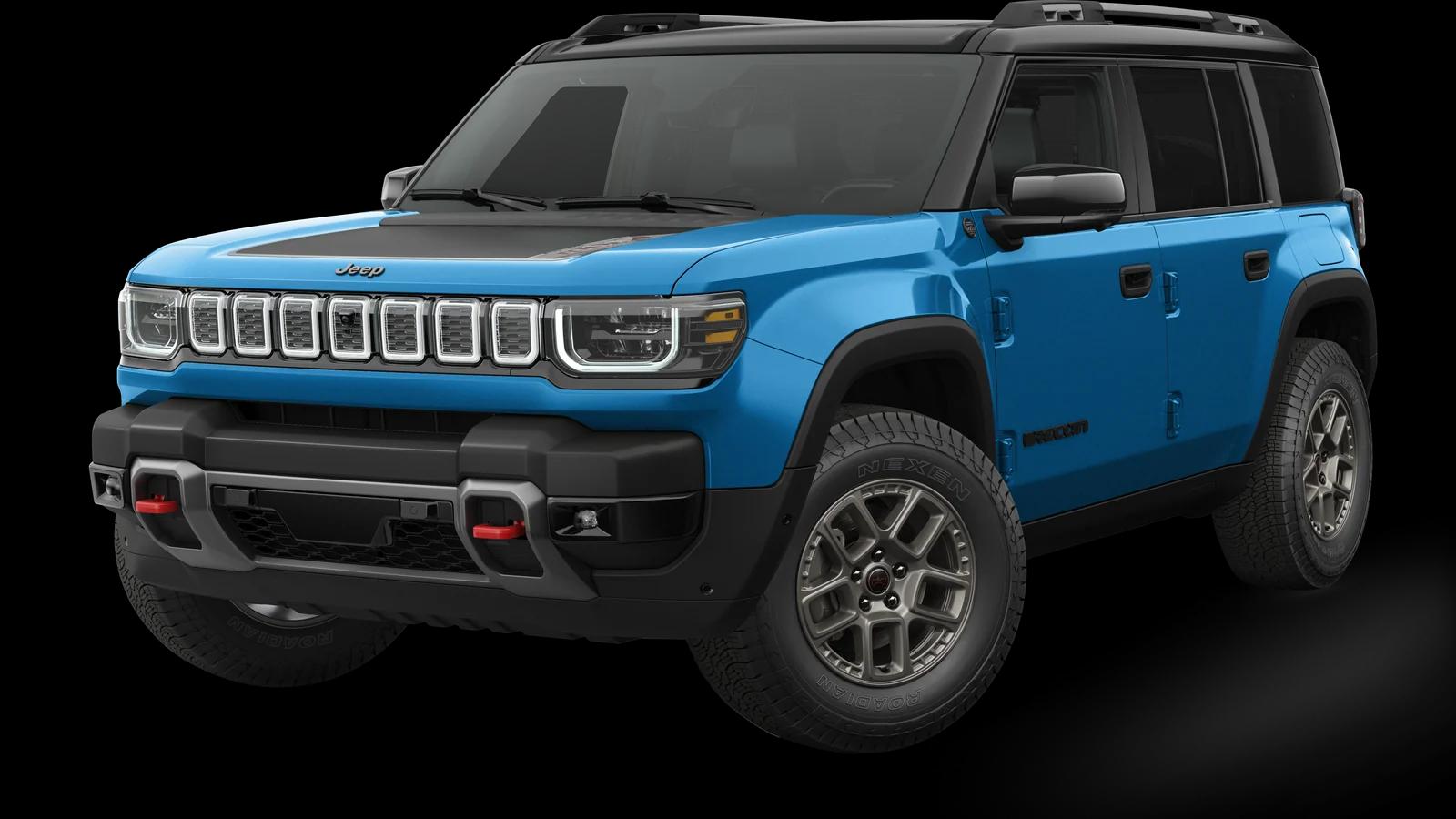
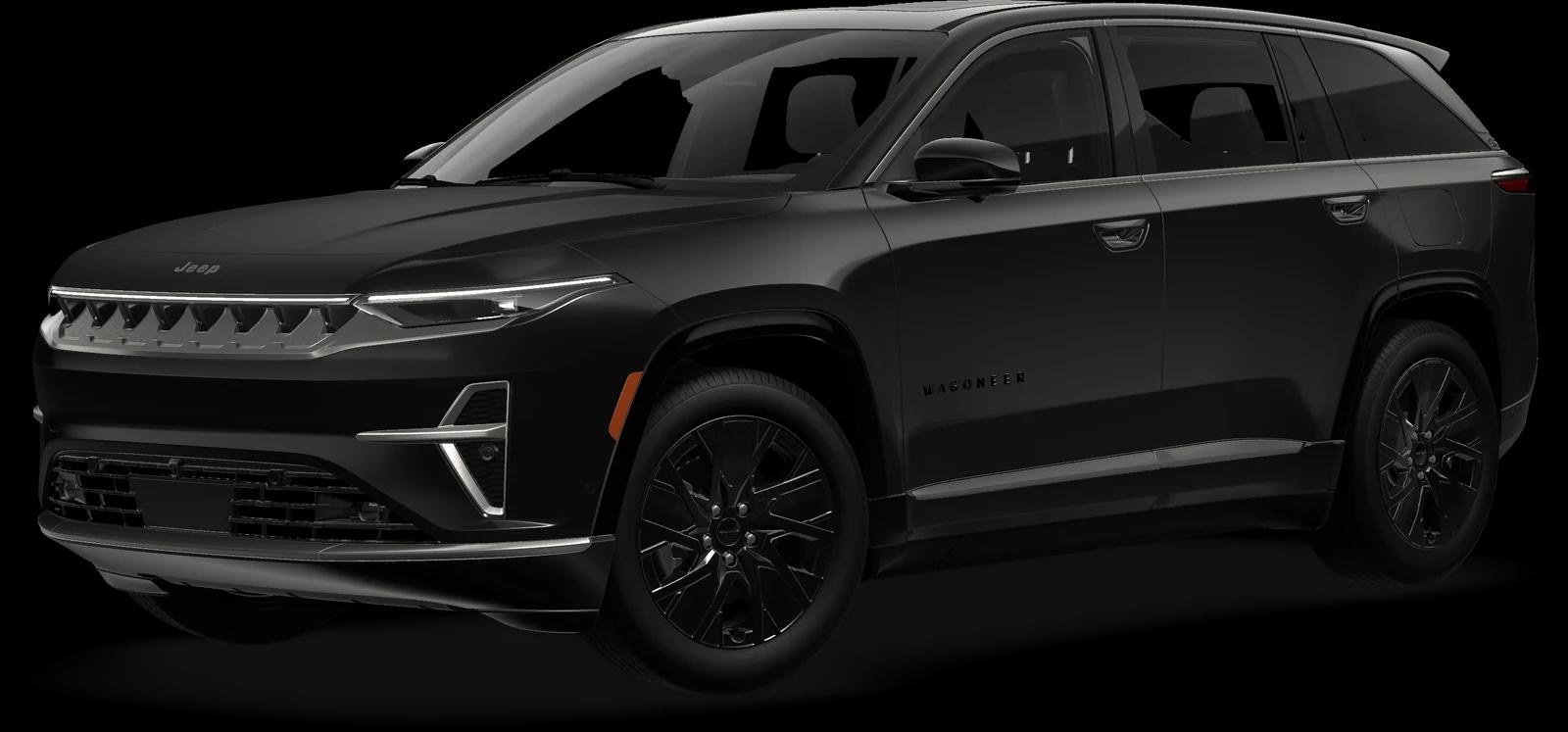
- Jeep Recon Moab ($66,995) lists a dual-pane panoramic sunroof, and the Wagoneer S Limited ($65,200) does too.
All prices are starting MSRP as of November 2026. They exclude destination and will change.
Seats matter as much as glass on a day with long stretches behind the wheel. A heated steering wheel and seats take the bite out of a frosty 8 a.m. start at a trailhead. The Grand Cherokee Summit ($61,130) lists heated and ventilated first and second-row seats. The Wagoneer S Launch Edition ($70,200) lists heated and ventilated front and rear seats, plus a 16-way power driver seat with a massage feature. At the other end, the Cherokee Laredo ($38,130) has a heated eight-way power driver seat.
Slow traffic, fuel and charging
Leaf traffic is an efficiency test of a specific kind. Gas engines burn fuel while crawling. Hybrids and EVs tend to do better, because their electric motors help at low speed and recover energy when you brake.
The Jeep Cherokee is a self-charging hybrid with no plug. Jeep estimates up to 39 mpg city and 37 combined, and says it can go more than 500 miles on a tank. My rough estimate agrees: 13.7 gallons times 37 mpg is about 507 miles, though real results vary with hills and weather. That helps on a loop like Route 100, where gas stations can be far apart. Note that the Trailhawk is rated lower, at 33 city, 29 highway and 31 combined.
For comparison, a Grand Cherokee with the 2.0-liter turbo is rated 21 city and 26 highway in two-wheel drive, or 20 and 25 in 4x4. The Pacifica is gas-only for 2027, with no plug-in hybrid. It is rated 19 city and 28 highway in front-drive, or 17 and 25 with AWD.
Electric choices include the Wagoneer S, rated up to 100 MPGe in the city and 294 miles of range on its standard tires (262 miles with the Pirelli tires), and the Recon, rated 80 MPGe city and up to 222 miles. Note that the Wagoneer S data is for the 2025 model. Jeep says range drops in cold weather and at high speed, and a chilly foliage morning is exactly that. Both take a DC fast charge in under half an hour (about 23 minutes for 20 to 80 percent on the Wagoneer S, about 28 minutes for 5 to 80 on the Recon), but charger locations along backcountry routes are a matter for your own planning. Check what is on your route before you leave, and carry a plan B.
Parking at crowded overlooks
The overlook on a peak weekend is a game of inches. Size matters here more than horsepower.
A Jeep Cherokee measures 188.1 inches long and 83.6 inches wide at the mirrors. A Grand Cherokee is 193.5 inches long, and the three-row L is 204.9. The Pacifica is 204.3 inches long, and 90.4 inches wide with the mirrors out. A four-door Wrangler is 188.4 inches long and 73.9 inches wide, and the Recon measures 87.4 inches across the mirrors.
None of these is huge, but a pullout built for a few cars rewards the narrower, shorter ones. If you are not sure you can reverse out, do not pull in. Keep an eye on the shoulder, too. In the weeks after rain, soft edges are common, and a loose shoulder is a good reason to pick a vehicle with 4x4 and decent clearance.
Tall passengers and cameras bring up another practical point: stop where it is safe and legal, not where the view is best. Parking rules vary by town and by land manager, so check posted signs and the relevant forest or state park office before you go.
Going open-air: the Wrangler option
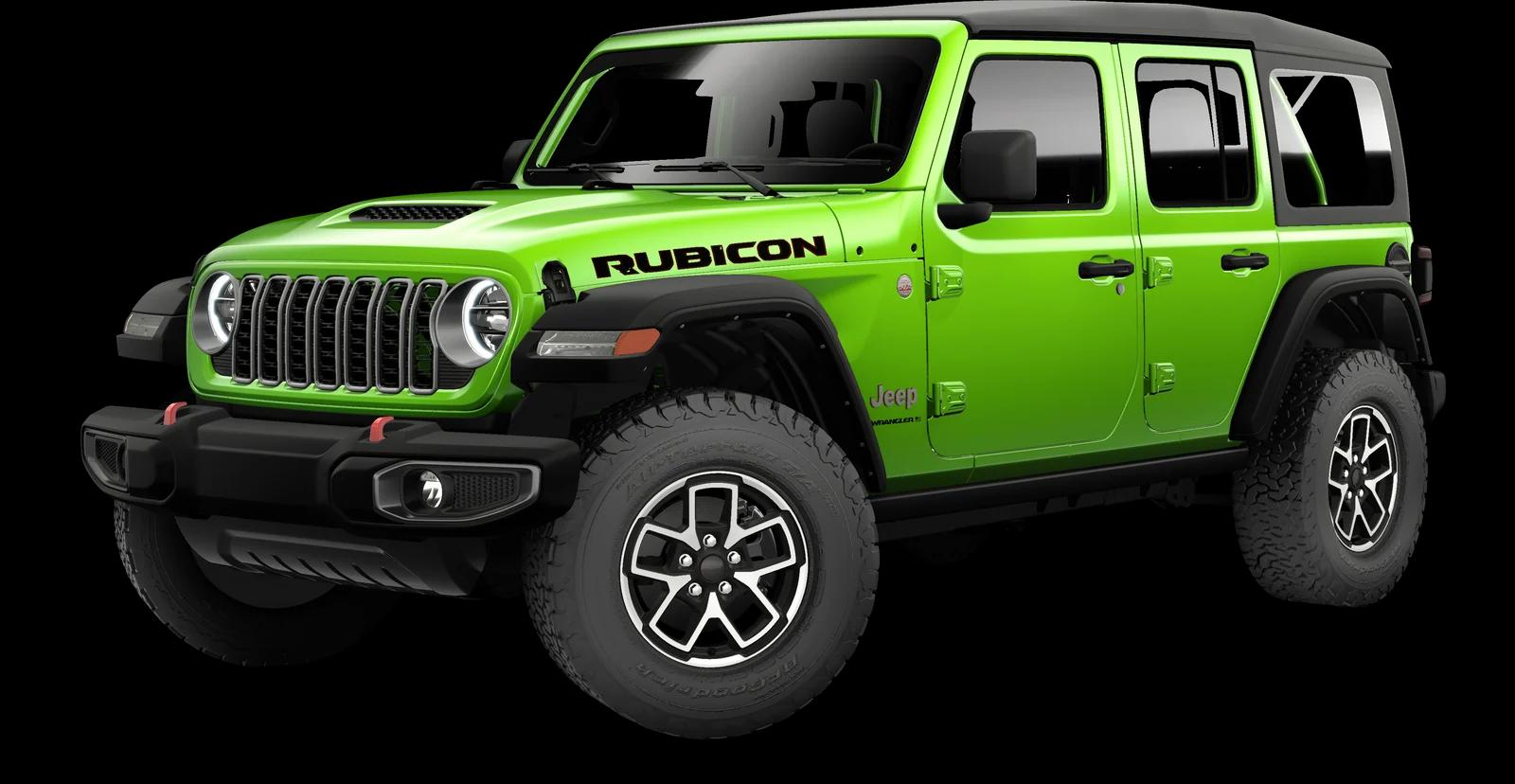
A Jeep Wrangler is the closest thing on this list to a convertible. Jeep says the Sport's doors lift off on quick-release hinges, with no tools needed. It lists the Sky One-Touch power top, which opens at the push of a button, and a body-color Freedom Top three-piece hardtop on trims like Smoky Mountain ($50,545) and Rubicon X ($57,030). The Wrangler Sport starts at $36,635 as a two-door and $39,985 as a four-door.
Open-air driving in a Wrangler is a fine way to see the trees. In October in northern New England it is also cold. Heated seats help: the Smoky Mountain lists heated front seats. Still, doors-off driving in high-traffic stretches, or near cliffs and loose ground, deserves caution, and the right approach is to follow local rules and keep passengers belted and warm.
The Wrangler is not a quiet road-trip vehicle at highway speed, and fuel economy is modest. The turbo four is rated 20 city and 23 highway, and the V6 17 and 22. If the weekend includes a lot of interstate on the way to the mountains, a Cherokee or Grand Cherokee will be easier on your ears and wallet.
Seven seats and six hours of leaf-peeping
If you are carrying a family, a Pacifica takes seven (eight on the Select with the second-row bench) and offers up to 140.5 cubic feet of cargo space with seats folded. Stow 'n Go seating on the LX, Select and Limited lets you fold the second and third rows into the floor. That is useful if you are stopping at a farm stand for cider donuts, pumpkins and a few jugs of maple syrup.
The Pacifica sits low, at 5.1 inches of ground clearance in front-drive (5.4 inches with AWD), so it suits paved scenic roads rather than rutted dirt lanes. For a drive that includes the unpaved approach to a hiking trailhead, a Grand Cherokee or Cherokee is the safer choice.
A short checklist for peak weekends
- Go early or late. The best light is before 9 a.m. and the worst traffic is around noon.
- Fill the tank or charge before entering the mountains.
- Pack layers, water and a paper map. Cell coverage is thin in the White Mountains and the Green Mountains.
- Take a different road if the main route is jammed. New England has a lot of them, and many are lovely.
- Check seasonal road closures and construction on the state transportation website before you leave.