Ownership
Small-Town EV and Hybrid Ownership in New England
Home charging in an old house, cold mornings and long gaps between fast chargers, with listed range and charging specs for Wagoneer S, Recon and Charger.
By the New England CDJR editors · Updated November 6, 2026 · 5 min read
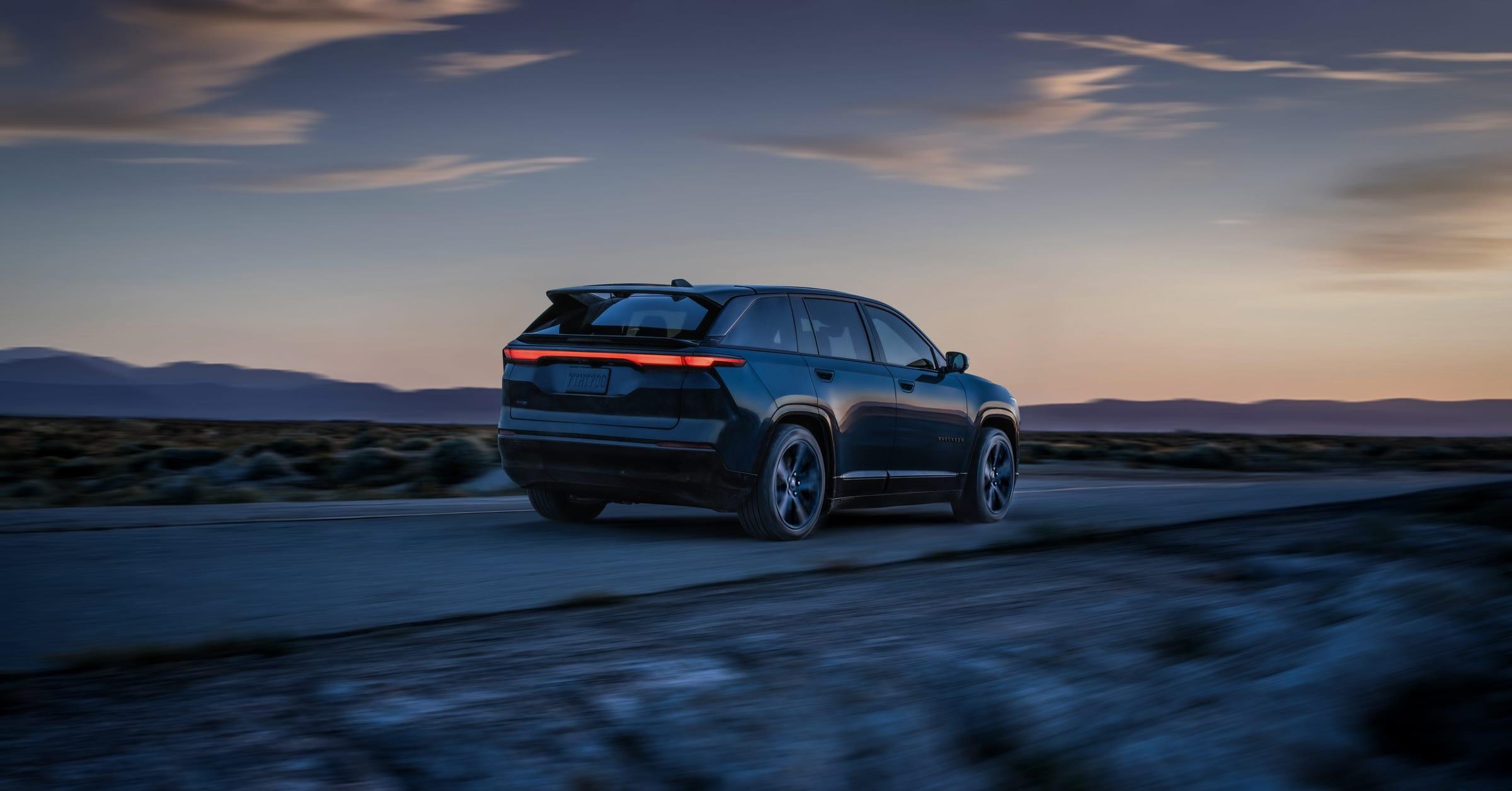
Most electric-vehicle advice is written for people who live near a dense grid of fast chargers and park in a garage built for the purpose. That is not how a lot of New England lives. A farmhouse in the Northeast Kingdom, a cape in a Cape Cod village, a camp road in western Maine or a center-chimney colonial in the Berkshires comes with its own wiring, its own driveway and its own distance to the nearest charger.
This guide covers what changes when you own a plug-in or a hybrid outside the cities. It uses the manufacturers' listed specs for the Jeep Wagoneer S, Jeep Recon, Dodge Charger Daytona, Ram ProMaster EV and Jeep Cherokee hybrid. The Wagoneer S figures are for model year 2025, the Recon and ProMaster figures are for model year 2026 and the Charger is 2027, so check the current listing for the exact vehicle you are considering.
What the manufacturers list
Range and charging times depend on battery temperature, tires and driving style, so treat these as best-case reference points. The charging windows are not identical across models, which is why the table shows them as listed.
| Model | Listed range | Fast charging as listed | Level 2 as listed |
|---|---|---|---|
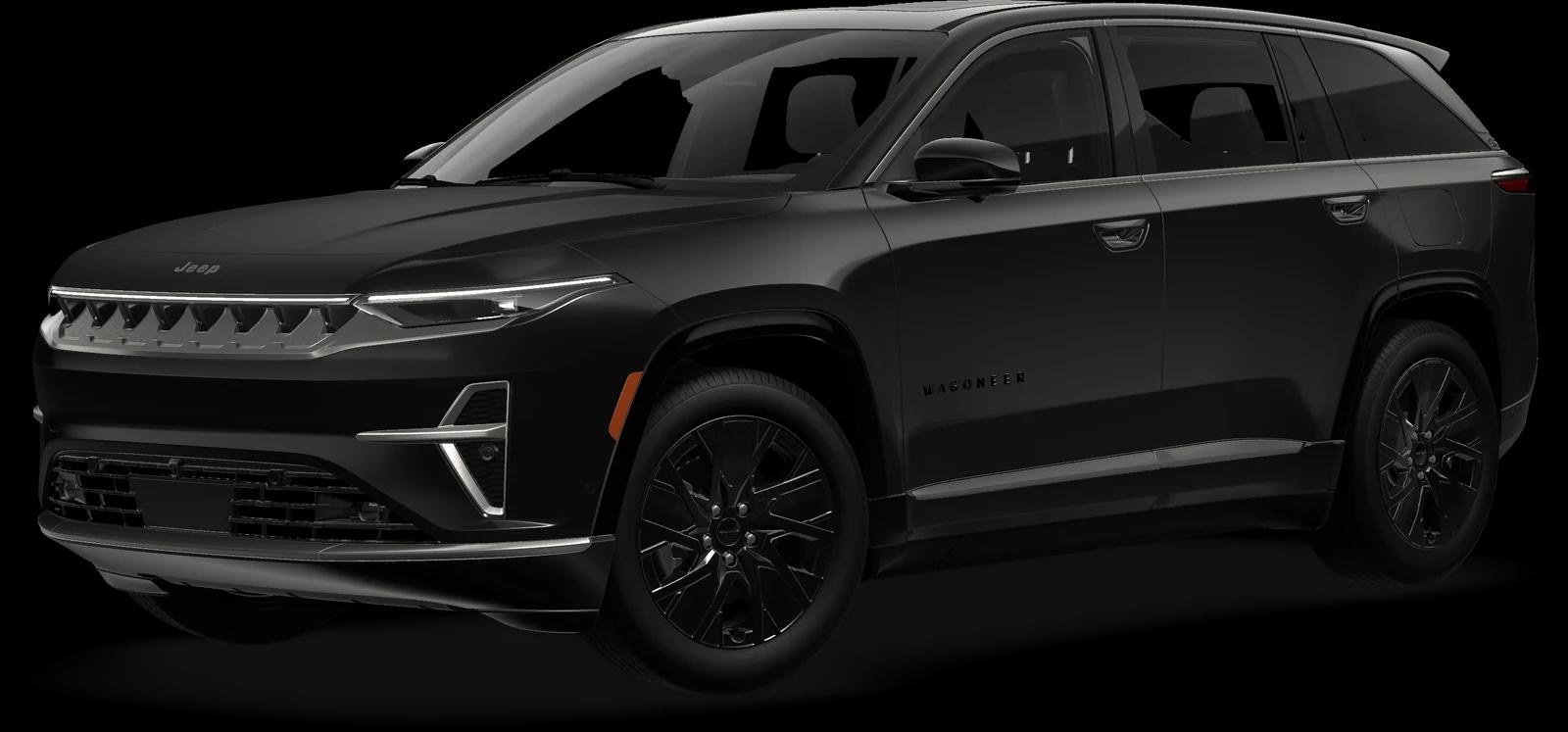
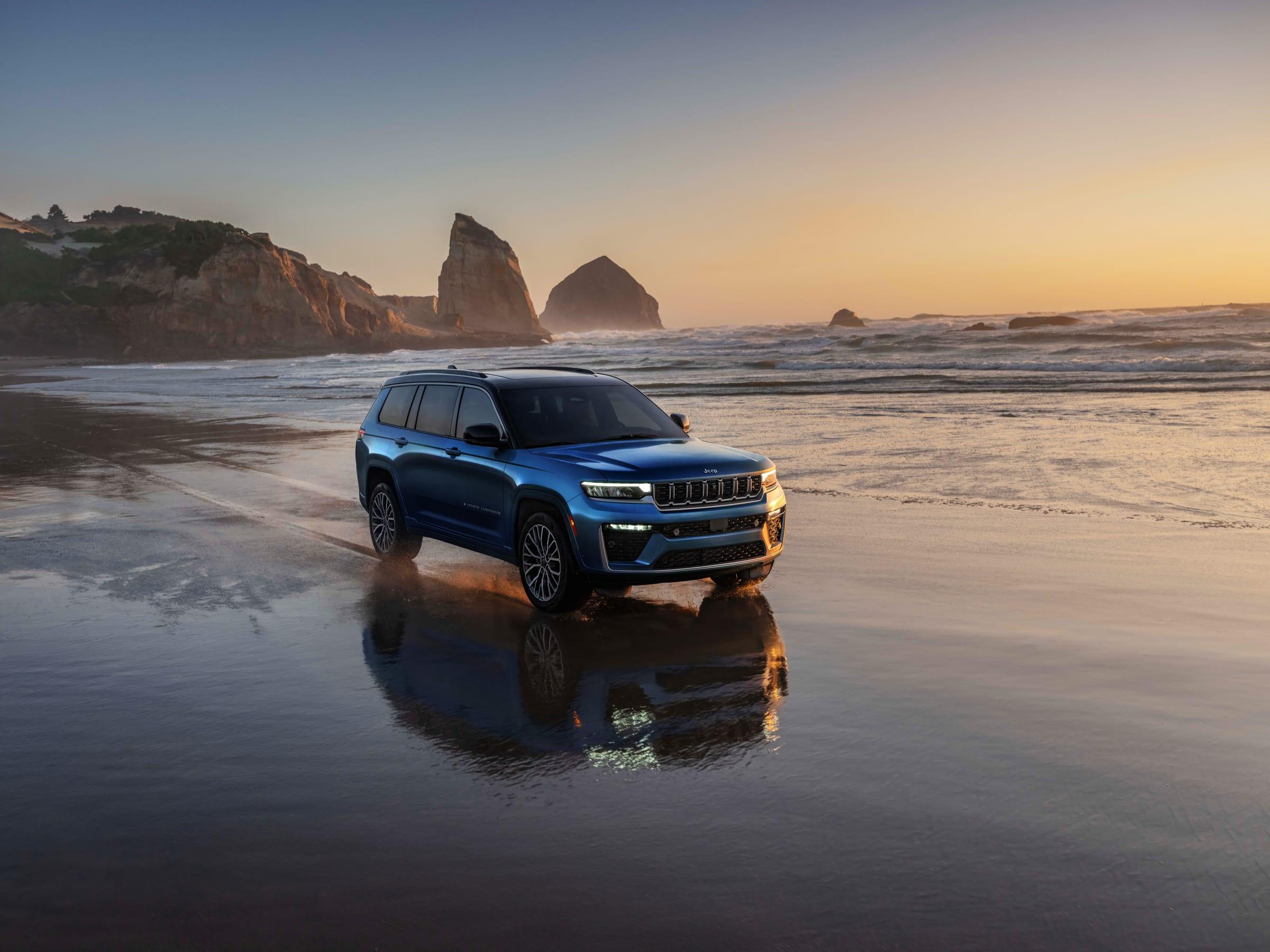
| Wagoneer S Limited ($65,200) | 294 miles (EPA) | 20 to 80 percent in about 23 minutes | About 6 hours (20 to 80 percent) |
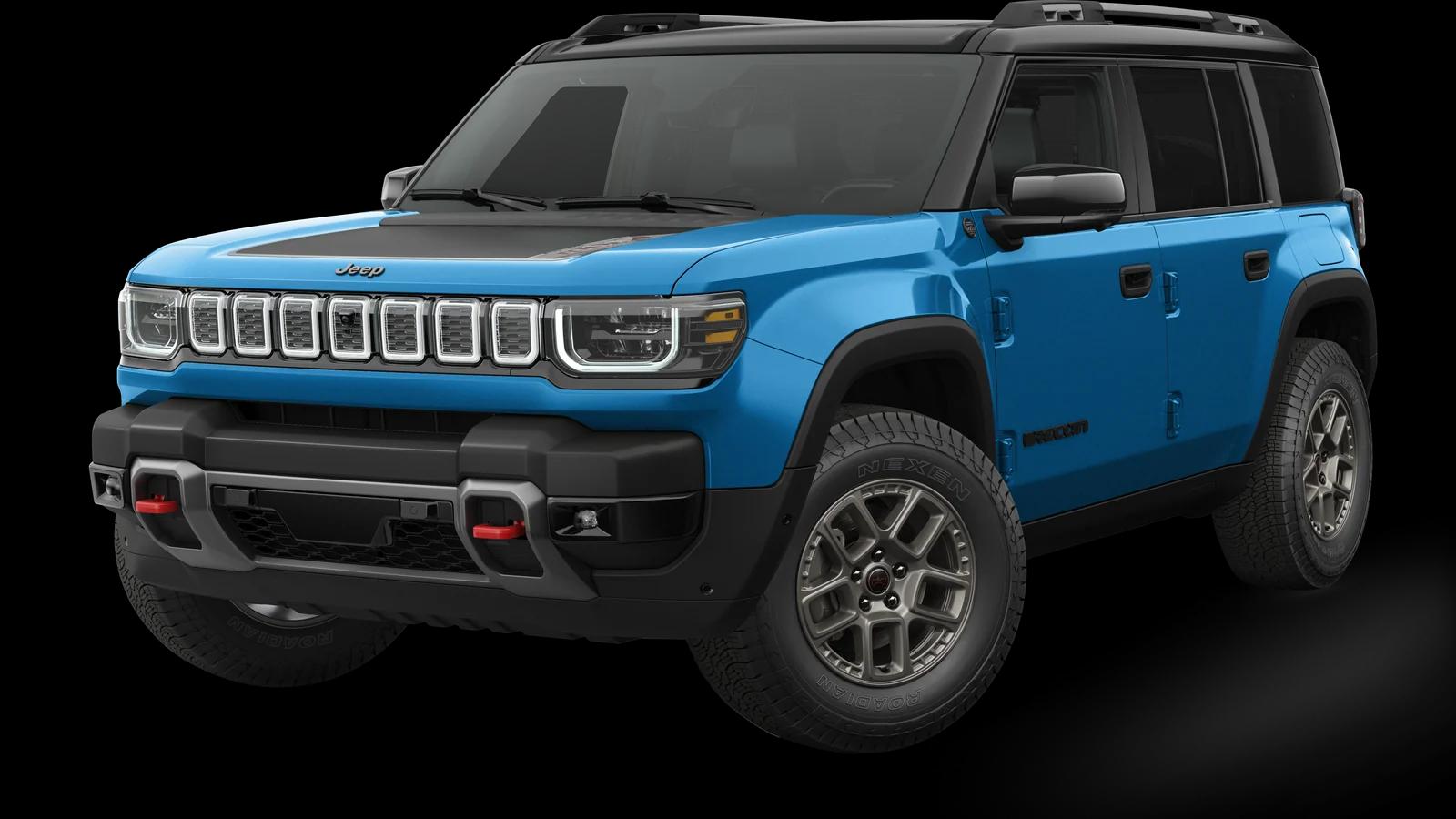
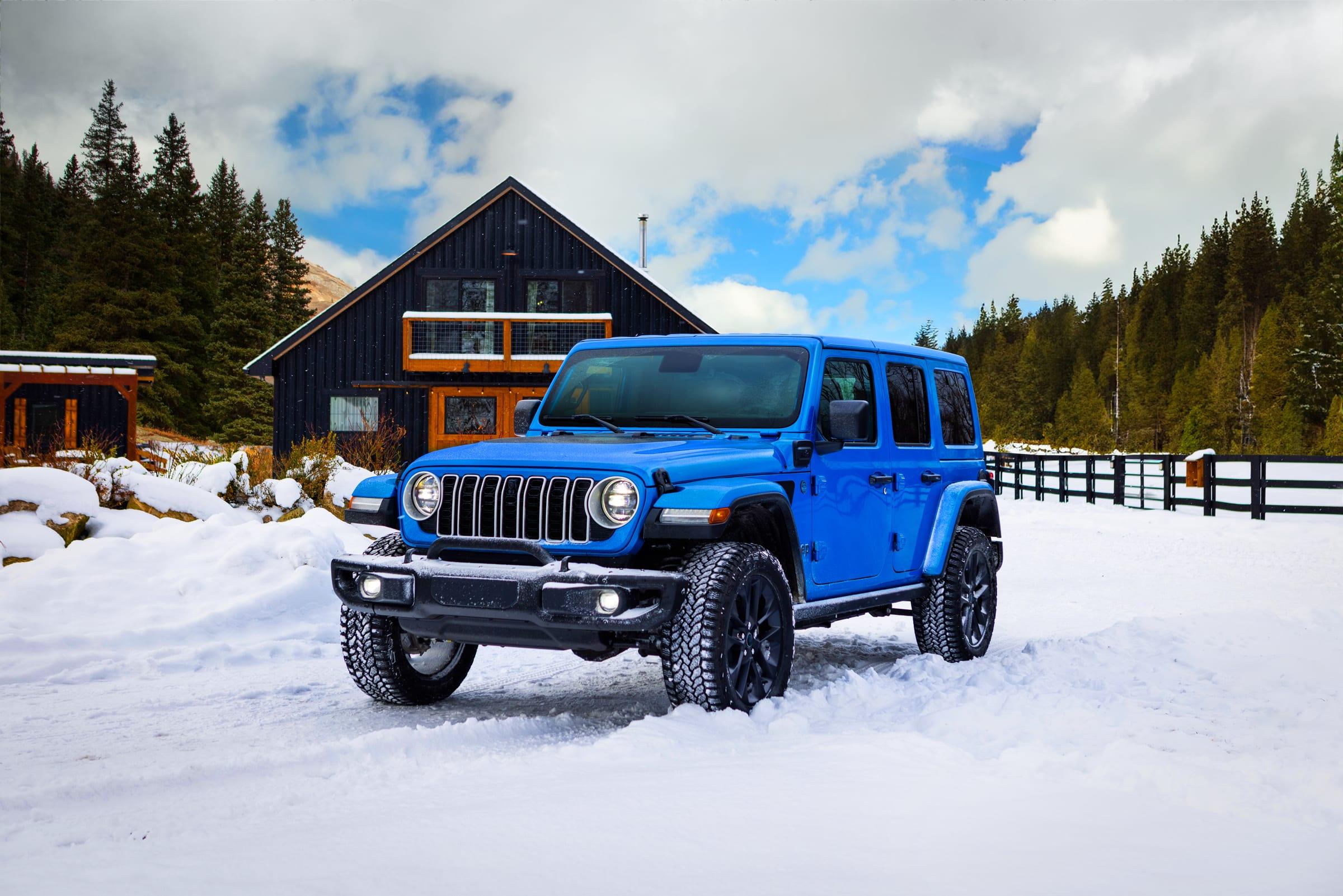
| Recon Moab ($66,995) | Up to 222 miles | 5 to 80 percent in about 28 minutes | About 6.8 hours (5 to 80 percent) |
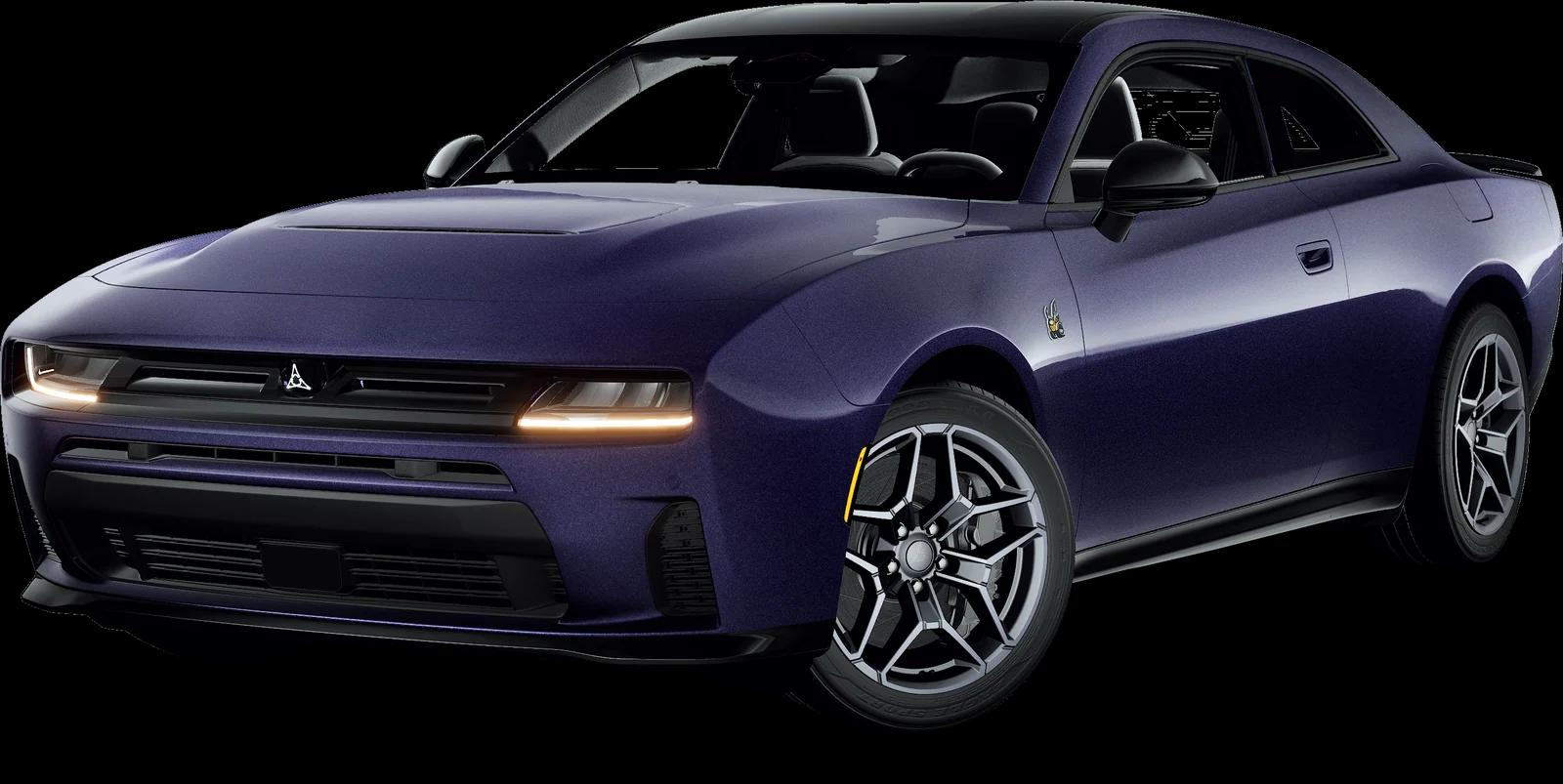
| Charger Daytona Scat Pack Plus ($77,490) | Up to 267 miles (231 to 241 with other rear tires) | 20 to 80 percent in 27 minutes on a 350 kW charger | 11 kW onboard charger |
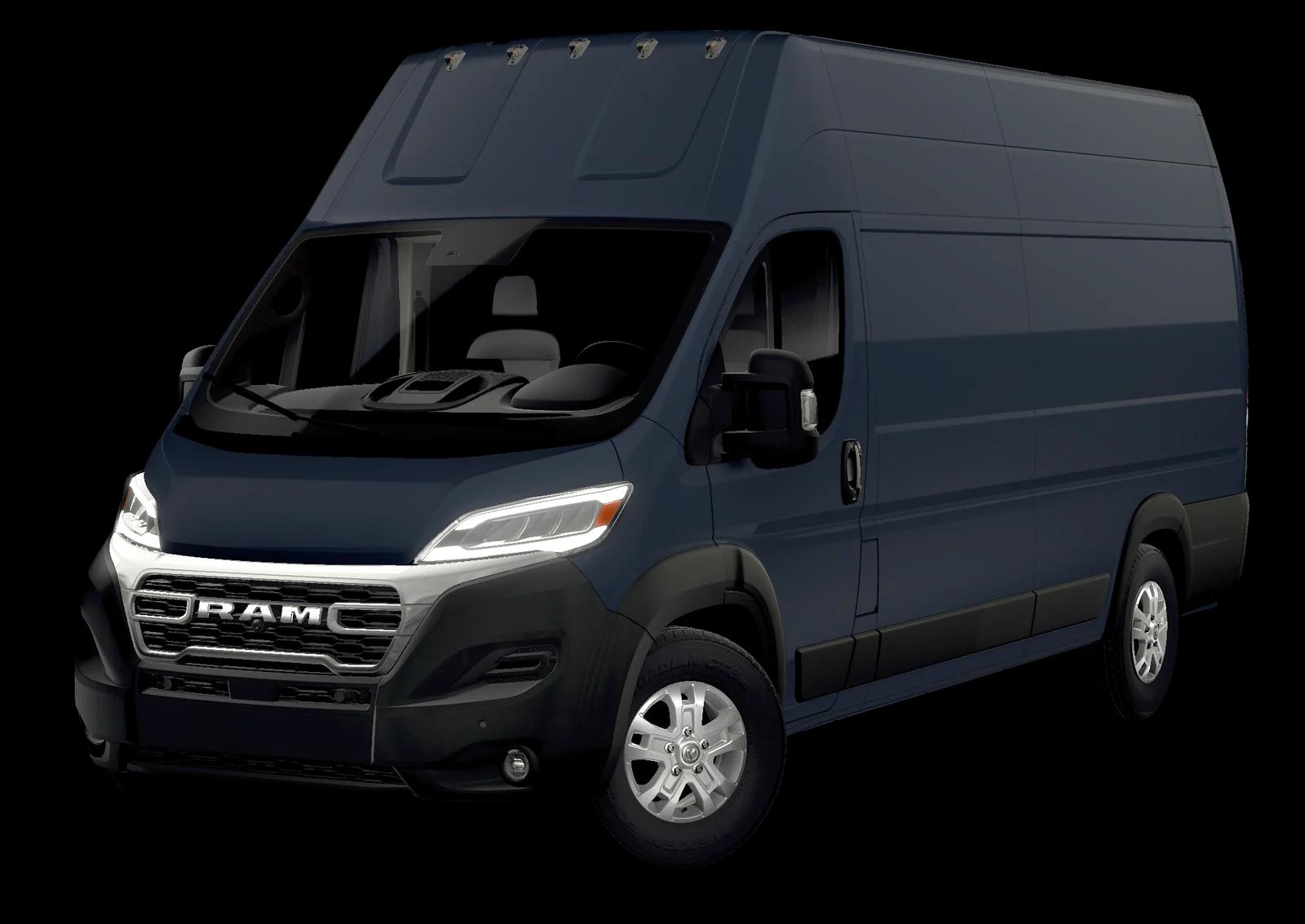
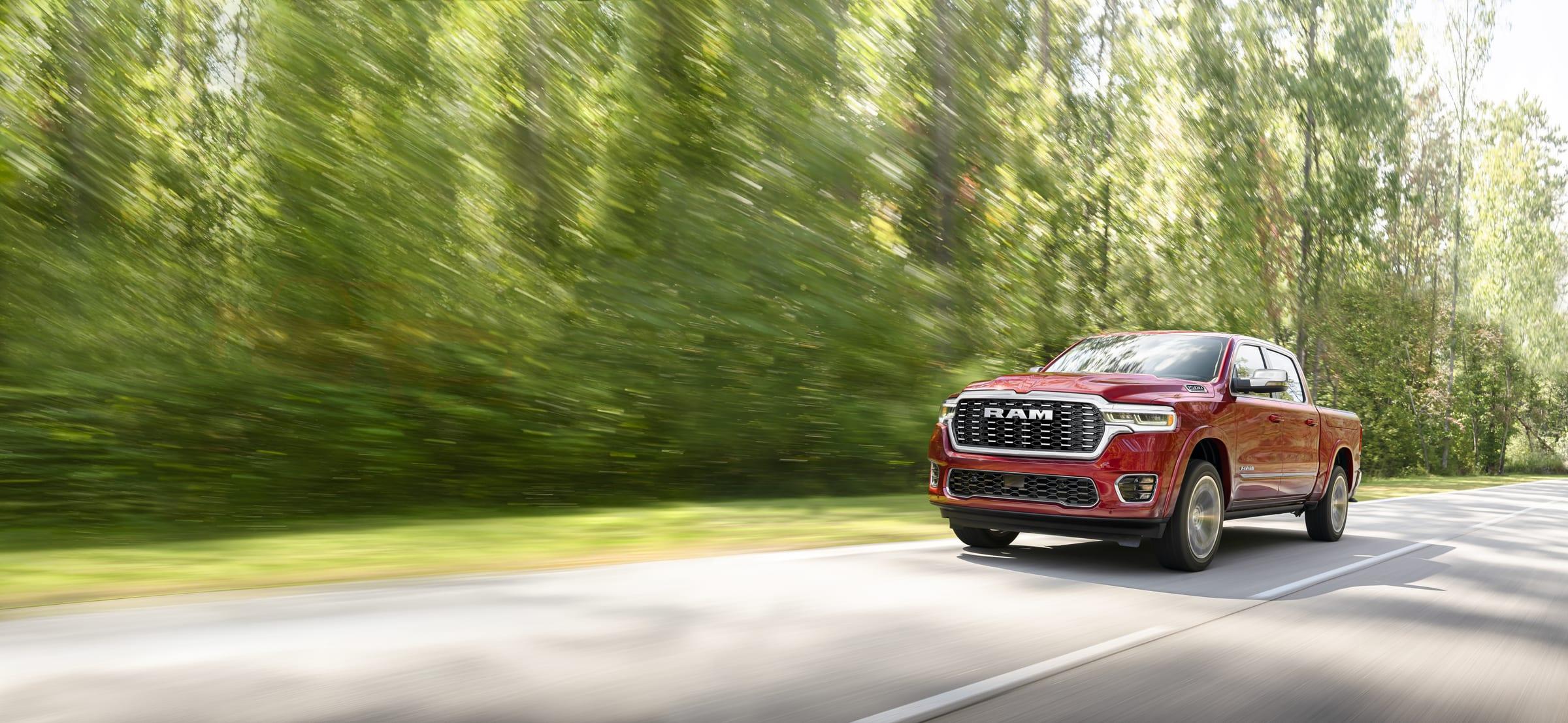
| ProMaster EV cargo van | Up to 164 miles | Not listed | Not listed |
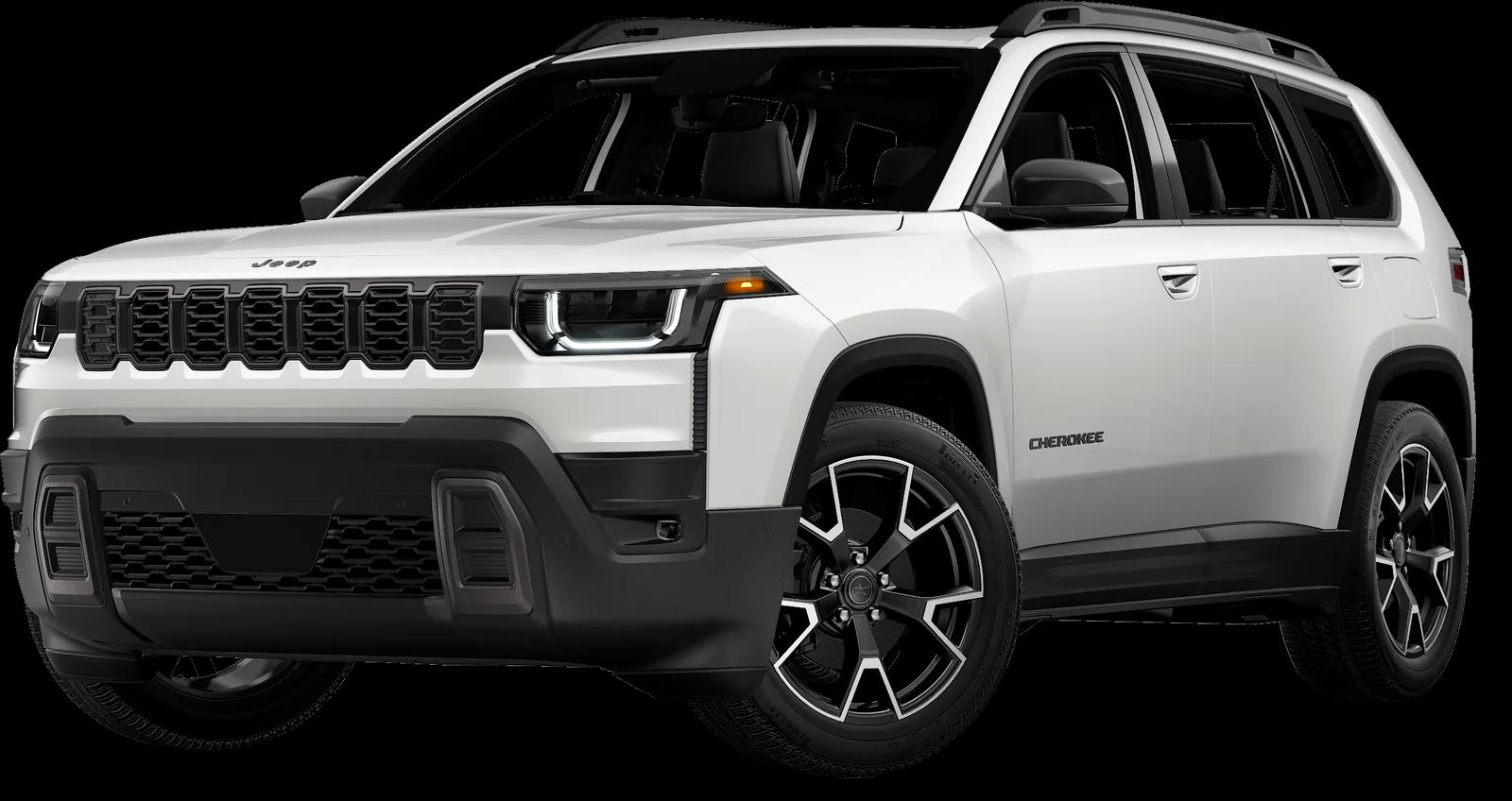
| Cherokee hybrid ($35,130) | Over 500 miles per tank (Jeep estimate) | No plug | No plug |
The Wagoneer S carries a 100.5-kWh battery, and Jeep says each purchase or lease includes a 48-amp Level 2 home charger or public charging credits of equal value. The Charger Daytona has a native NACS port, with a peak charge rate of 183 kW and 93.9 kWh of usable battery. The ProMaster EV pairs a 110 kWh battery with 3,170 pounds of payload in the cargo van.
Charging at home in an older house
Home charging is the single biggest factor in whether an EV feels easy. For a small-town owner it can also be the hardest part, because older houses have older wiring, compact service panels and garages that are detached, unheated or nonexistent.
A standard household outlet is slow. Jeep lists 32 hours for a Wagoneer S to go from 20 to 80 percent on Level 1, and 52 hours for a Recon to go from 5 to 80 percent. That works for a low-mileage commuter who tops up every night, but it will not recover a long trip. A Level 2 connection brings those windows down to the 6 to 7 hours listed above, which suits an overnight charge.
Before you buy, have a licensed electrician look at the panel, the distance from the panel to where you park and the condition of existing circuits. In an older home, the answer may include a panel upgrade or a longer run to a detached garage. Town permit and inspection requirements differ, so ask your local building office. Do not use an extension cord or a worn outlet for a long charge.
If you rent or live in a condo or a multi-family house, talk to the owner or association early. Some owners can charge at a workplace, a town lot or a friend's driveway, but those arrangements are less dependable in a nor'easter.
Cold mornings
Electric vehicles lose range in winter for reasons that are easy to understand. Battery chemistry is less efficient when cold. The cabin and the battery both need heat, and that energy comes from the same pack that moves the car. Winter tires, snow and slush add rolling resistance, and cold dense air adds drag. Short trips are harder on range than long ones because the car spends more of each drive warming up.
You cannot change the physics, but you can work around it. Park in a garage when you can. Plug in overnight and, if the vehicle offers scheduled or remote climate controls, use them so the cabin warms up while the car is still on wall power. Expect a charge that goes more slowly when the pack is cold, and give yourself extra time at fast chargers. Treat the listed range as a summer number and keep a bigger reserve in January.
The hybrid avoids most of these concerns. The Cherokee has a 1.08-kWh battery that charges through braking, so it never needs a plug. Jeep estimates up to 37 mpg combined, which is attractive for a driver who wants lower fuel use without changing a home setup. Four-wheel drive is standard, and Jeep estimates more than 500 miles on its 13.7-gallon tank.
Mud season, snow and ground clearance
Dirt roads are part of ordinary life across Vermont, New Hampshire and Maine. Ground clearance and underbody protection matter. The Wagoneer S lists 6.4 inches of clearance and is aimed at pavement and snow, with Auto, Sport, Eco, Snow and Sand modes. The Recon Moab lists 9.1 inches, all-terrain tires and high-strength steel underbody shields that protect the battery, and carries a full-size spare on the swing gate.
The Charger Daytona is a low car. Every Charger has all-wheel drive, but Dodge lists just 5.5 inches of ground clearance, so a rutted camp road or a deep frost heave needs care.
Long gaps between fast chargers
Fast chargers cluster around interstates and larger towns. In northern Maine, the North Country of New Hampshire and the Northeast Kingdom, they can be sparse. A range of 222 or 267 miles sounds generous until you add cold weather, a loaded vehicle and one unreliable charger that happens to be out of service.
Plan your route with a charging map and look for backups, not just the nearest stop. Arrive at a charger with a comfortable reserve rather than counting on the last mile. Check recent user reports for each stop before relying on it. If a long weekend trip into the woods is a regular habit, a model with a longer range, or the Cherokee hybrid, may fit better than an EV with the smallest range.
Power outages deserve the same thought. After a storm, your own charger may be unavailable for hours or days, and nearby fast chargers may be down too. Fill up before the forecast gets serious, and keep a fuel option available if your household cannot go without a vehicle.
Matching the vehicle to the life
- Plug in every night, mostly pavement: Wagoneer S, with the longest listed range here.
- Dirt roads and camp trips: Recon, with the clearance and spare tire, accepting the shorter range.
- Performance and daily driving, with a garage: Charger Daytona, with a native NACS port and fast charging at a 350 kW station.
- Small business or tradesperson: ProMaster EV, if daily routes stay well inside 164 miles.
- No charger and long distances: Cherokee hybrid, with no plug at all.